

Vine Vibes
By Kathi Thistlethwaite, Colorado Master Gardener
What do Black-eyed Susan Vine, Nasturtium, Morning Glory, Moonflower, Purple Runner Beans and Sweet Pea Flowers have in common?
All of these plants are annual, fast-growing, climbing vines. They are desirable because of their ability to quickly provide vertical color to structures like fences, trellises, and arbors. They thrive in hanging baskets and as ground covers as well.
In addition to their climbing habit, they share several other key characteristics:
- In colder climates (USDA zones 3–8), they are treated as summer annuals, and must be replanted each year.
- These species are easy to grow from seed, often reaching heights of 6 to 10 feet in a single season. In more temperate climates, several are also grown as perennials.
- They attract hummingbirds, butterflies and bees to the garden.
- They generally thrive in full sun to partial shade and prefer well-drained soil.
Each vine brings a unique vibe to the landscape. Black-eyed Susan Vine and Morning Glory climb by twining their stems or leaf stalks around a support rather than using tendrils or sticking to surfaces. Nasturtiums and Purple Runner beans are valued as edible plants. Nasturtium flowers have a peppery flavor and the purple runner beans taste and are prepared like green beans. Moonflowers are unique for being nocturnal, with large white blooms that open at night. Sweet Peas are highly prized for their fragrance and use as cut flowers.
Elevating the garden to new heights is a matter of choosing the plants and watching them grow.

Black-eyed Susan Vines (Thunbergia alata)
This eye-catching vine is most commonly propagated from seed. Start seeds indoors 6 to 8 weeks before the average last frost, and plant outside once all danger of frost has passed and night temperatures remain above 50 degrees F. Plants grown in containers can be overwintered indoors in a warm, bright room.
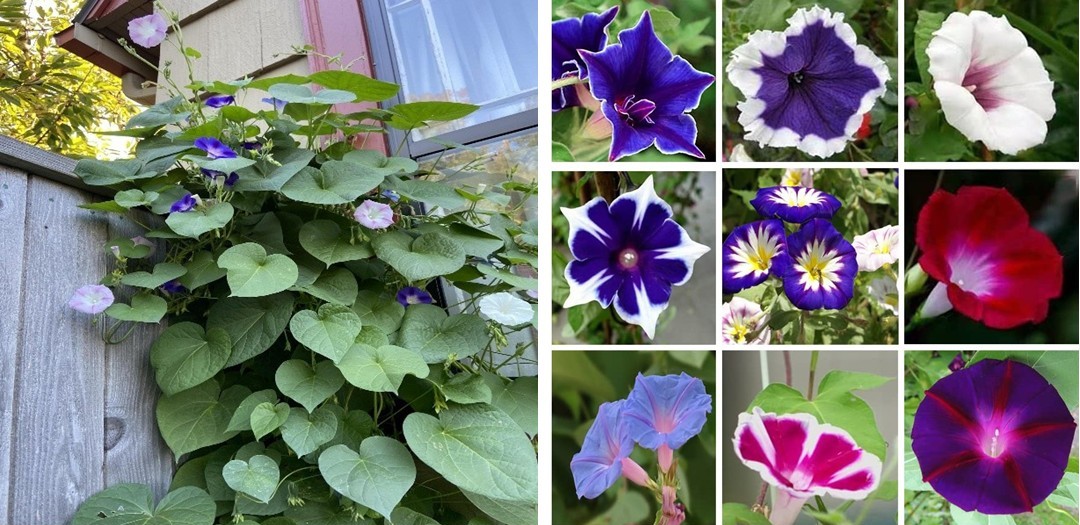
Morning Glory (Ipomoea spp.)
Here’s an interesting fact about morning glory: Its cousin, bindweed, is difficult to eradicate and has an entirely different growth habit. Annual morning glory is a prolific self-seeder.
Choose a site that receives full sun and has well-draining soil. Annual morning glory also grows well in containers. In either case, make sure there is a trellis or fence for the plants to climb. Once established, the plants tolerate dry soil, a plus during dry Colorado summers. Varieties range from Heavenly Blue (4- to 5-inch blue flowers) to Scarlett O’Hara (4-inch red flowers) to Flying Saucers (5- to 6-inch variegated blue and white flowers). These are a few of the more popular cultivars.

Nasturtium (Tropaeolum majus)
This versatile plant can be used as a trellised vine, trailing from containers and walls and is available in a wide range of beautiful jewel tones. If these are not enough reasons to plant easy-to-grow nasturtiums, the entire plant is edible. Claude Monet devoted a large plot in his garden to nasturtiums, using them in multiple paintings of his home in Giverny.

Moonflower (Ipomoea alba)
Moonflower (another cousin of the morning glory) is as much a pollinator plant as its relative but works its magic at night. Moths, beetles and other nocturnal creatures are attracted by its fragrance and shape. Blooms open from dusk to dawn as their translucence lightly reflects moonlight. Requiring much the same growing conditions as the other vines, enjoy its fragrance and reflective qualities as part of a moon garden!
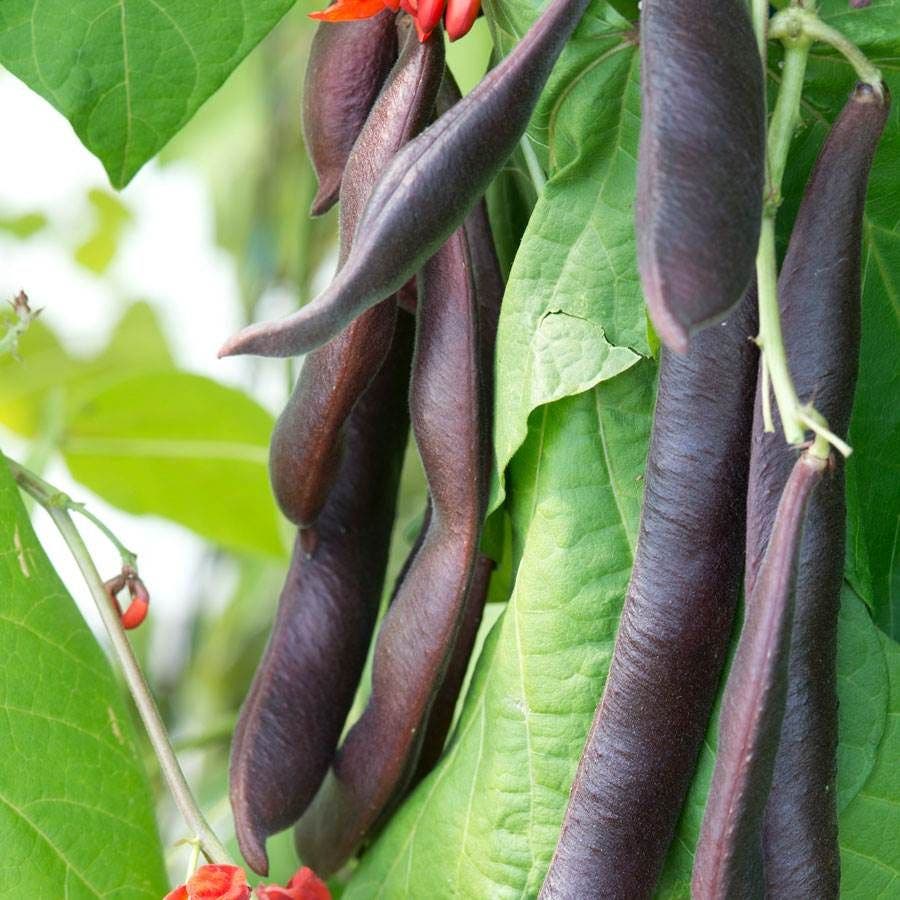
Purple Runner Beans (Phaseolus vulgaris)
Purple runner beans can be edible, depending on the variety. Their pods turn green when cooked! Runner (pole) beans flower and produce new pods all through the season, providing multiple harvests. They are well suited to smaller gardens, taking up less ground than bush beans. Because of their vining habit, runner beans require support.
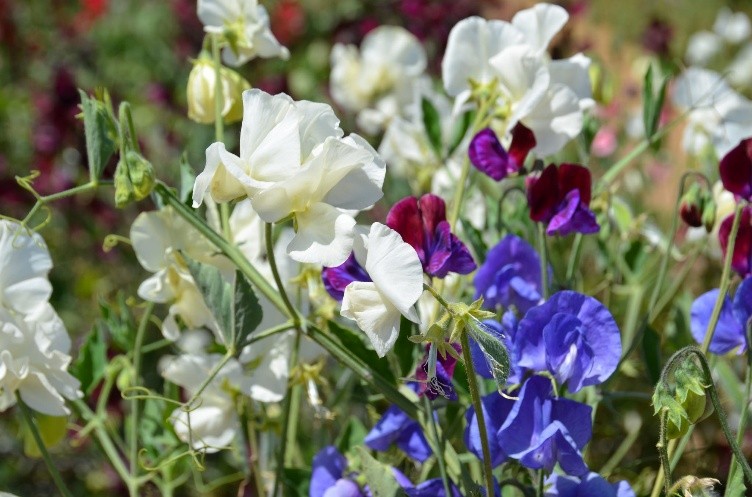
Sweet Peas (Lathyrus odoratus)
CSU lists sweet peas as a beneficial plant for pollinators, specifically leafcutter bees. They thrive in cool, sunny conditions. Plant in early spring in rich soil with regular watering. Deadheading regularly and cutting stems (for beautiful arrangements) will encourage new growth. Sweet peas are available in every color but yellow. The search for the perfect yellow sweet pea continues to this day!
Vining plants add height, color and fragrance to a garden, all in one season. Which one to choose first?

