

Plan Now to Get the Most Out of Your Vegetable Garden
By Judy Kunz, Colorado Master Gardener
Thinking about trying a vegetable garden or re-designing an existing garden? During the winter downtime, what better time than the present to get out a sketch pad and start planning a new garden or re-designing an existing garden? There are a number of layout options available. Several of the more popular ones are listed below.
There is no set way to plan a garden. While traditional rows of vegetables may be the default design for many, this layout style is a less efficient use of space because it requires the most square footage for the quantity of vegetables harvested. Walking paths between rows take up space that can be used for growing. There are other creative plans that can fit into smaller areas and provide maximum harvest potential. Designing a newer, more efficient garden invites creativity and is only limited to one’s imagination. Materials for these designs are available online or at home improvement centers.
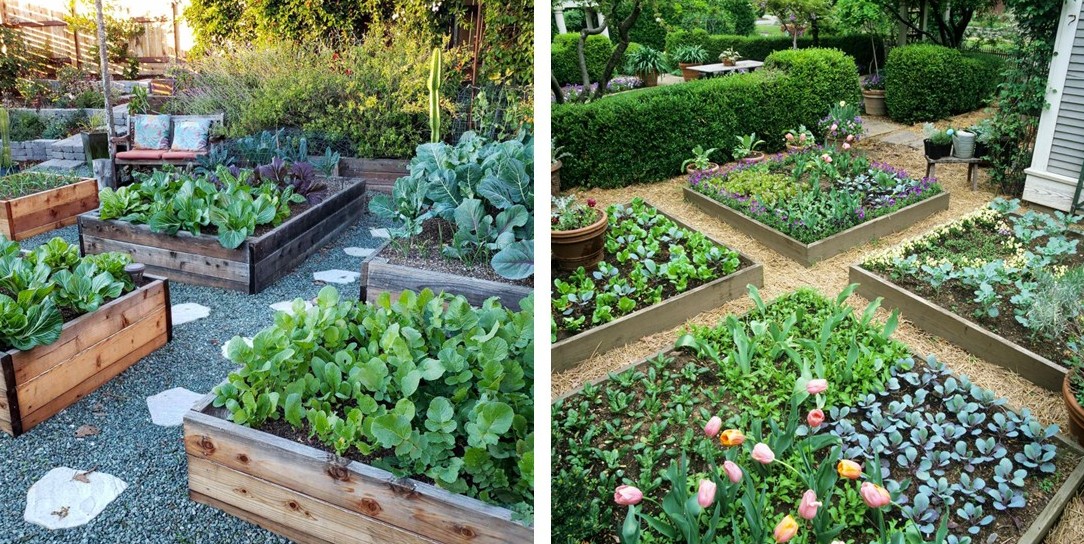
Block Style Raised Bed Gardens – For maximum yield per square foot, compared to traditional row gardens, this style is more efficient and can greatly increase the harvest. It works well for limited space and is an excellent way to get the most out of the garden. This design works best with raised beds because weeding and maintenance can be done from the perimeters so there is no soil compaction from foot traffic. Design the beds approximately four feet in width with any given length. While requiring a little more work in the initial building stage, a raised bed design is excellent because it allows more control. In addition, the soil in a raised bed warms up sooner in the spring.
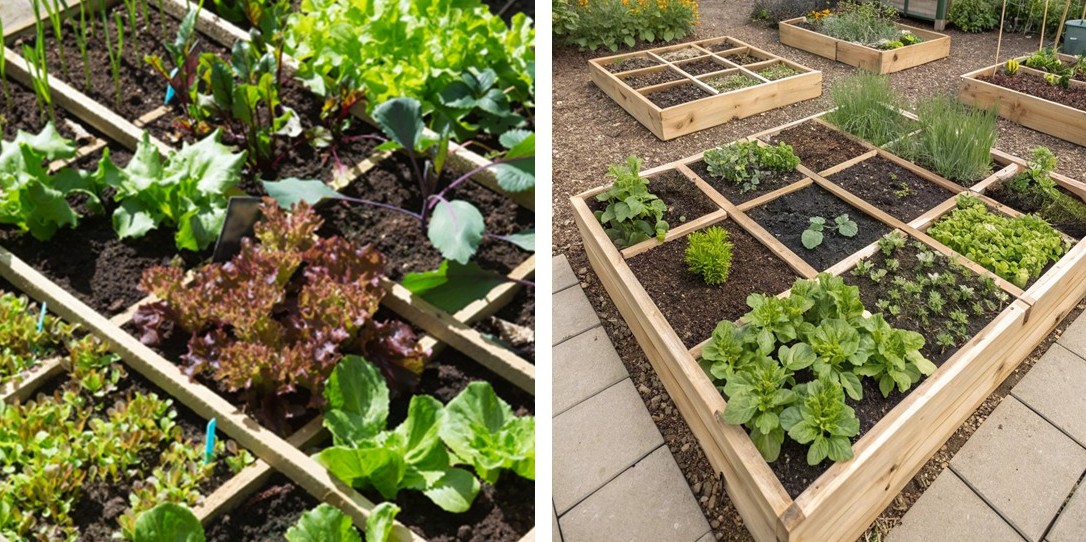
Square Foot Gardens are a more structured version of block style. For those who have limited garden space and want to maximize their harvest, this can be an ideal design. Blocks are structured to be 12” x 12” and individual borders are delineated by string, plastic or wooden dividers. Some ideal crops for this plan would be lettuce, carrots, peppers, onions and herbs.
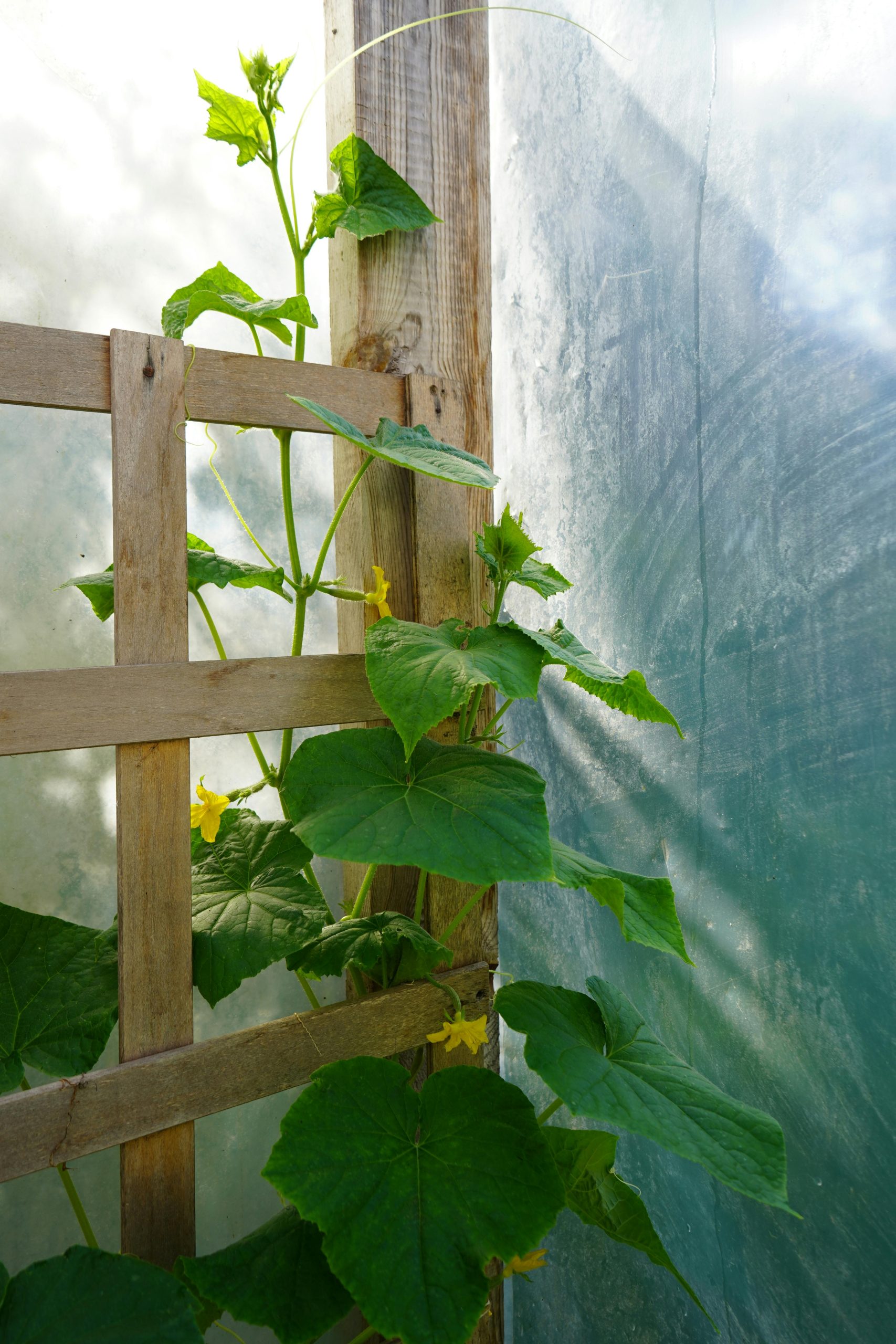
Vertical Gardens can add drama to the garden. By employing a basic trellis design, vining plants such as indeterminate tomatoes, squash, beans and cucumber can be trained to grow vertically, thereby freeing up garden space. Simple T-posts with string suspended for support or cattle fencing panels can be ideal for this type of garden.
Important additional considerations for success include providing the garden with all basic needs such as a minimum of six hours of sun exposure, good soil and sufficient water. A soil test is also an important first step in the plan. For soil test information see: https://agsci.colostate.edu/soiltestinglab/.
Additional information:

