

From the Hort Desk
Lisa Mason, CSU Extension Horticulture Specialist, Entomologist
What’s the Buzz with Pests this Summer in Colorado?
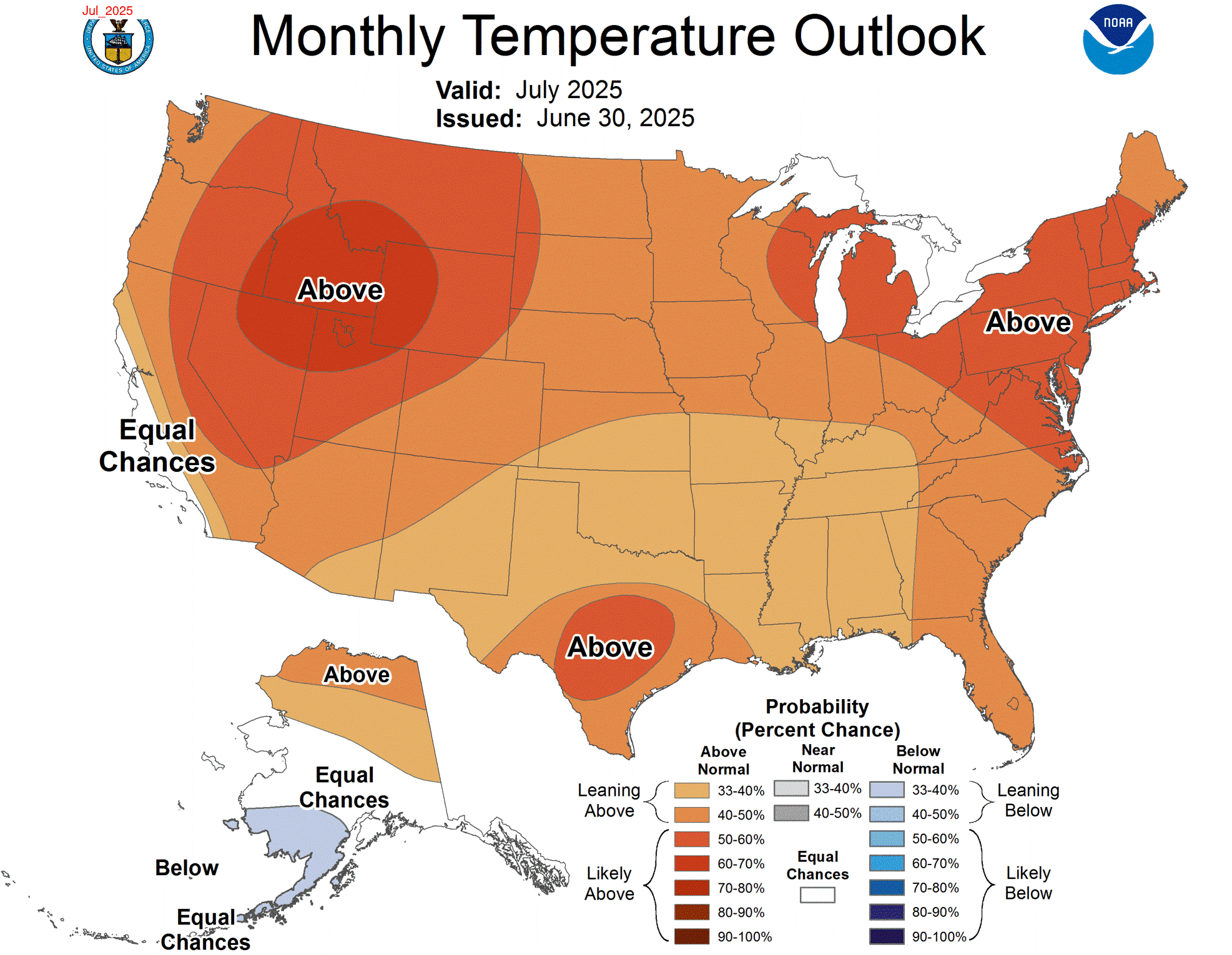
Colorado has seen hot, dry weather this summer. Except for some moisture in early June along the Front Range, and scattered thunderstorms across the state, the temperatures have been in the 80s, 90s, and even the low 100s. We expect high temperatures in July, but June saw record-breaking heat in many parts of Colorado. In addition to the heat, drought conditions are a concern for Coloradans across the state.
How does the weather influence pests and plants?
Insect populations ebb and flow from year to year, and fluctuations are normal. Weather patterns often influence insect populations and plant growth. Generally, moisture is great for plant growth and health. A healthier plant can withstand more damage from certain pests like Japanese beetles. More moisture can promote the growth of weedy plants which can provide more food for grasshoppers, putting less feeding pressure on crops and ornamental plants. Without moisture, plants may experience more stress from the environment, pests and pathogens. Many insects thrive in hot weather, including Japanese beetles and grasshoppers. The hotter, drier summers we are experiencing can also promote insects that impact human health. While ticks go dormant in the high heat, the warmer spring and fall weather provides a longer season for ticks to be active, potentially increasing the risk of disease.
Here are some of the top pests that you may encounter this summer:
Miller moths
Miller moth season comes to a close once the moths migrate through the Front Range during the late spring/early summer and reach the high country for the summer. Miller moths, also known as army cutworm moths, will migrate from the high country back to the eastern plains in the fall, though the migration usually is not noticeable to people.
Miller moths were in lower numbers this year. The population of moths and the length of time they spend on the Front Range depend on number of moths migrating from the eastern plains, caterpillar host plant availability, food availability (nectar flowers) along the Front Range, and the weather. While we saw lower numbers this season, it is possible the moths also moved on from the Front Range quickly to escape the hot June temperatures.
Grasshoppers
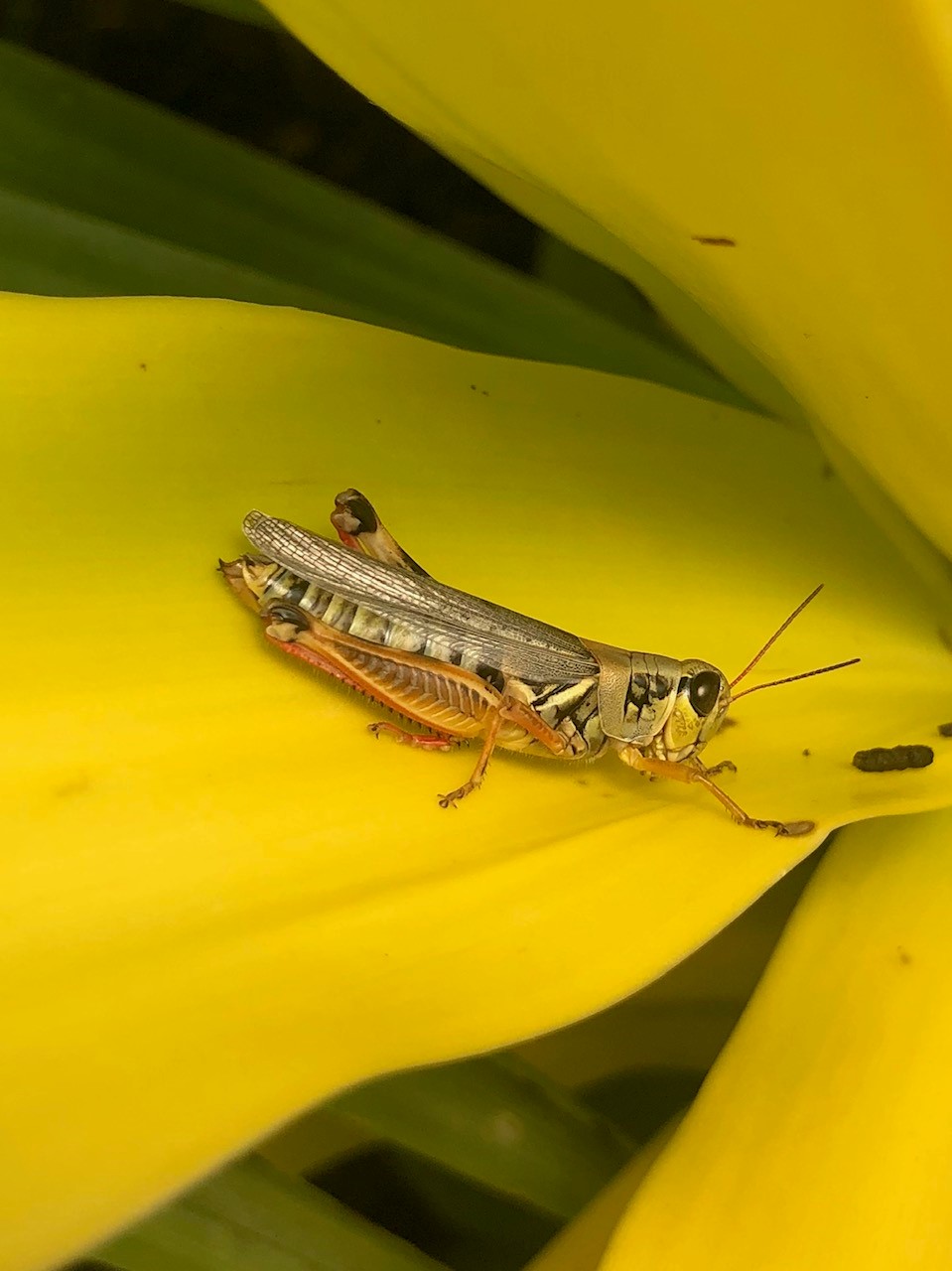
Grasshoppers were a nuisance to home gardeners and farmers all over Colorado last summer. USDA-APHIS conducts surveys of adult grasshoppers in the fall each year to estimate the risk for the following year. Survey sites are primarily on the eastern plains and west slope of Colorado. Based on its 2024 surveys, the predicted risk of grasshopper infestation in Colorado will range from moderate to severe in 2025, with slightly higher populations in eastern Colorado. The warm, dry winter will likely support higher grasshopper populations. Less moisture and drought conditions may lead to less food availability, meaning grasshoppers could cause more damage to crops and gardens. For more information about grasshoppers and management options, click here and here.
Japanese beetles
Japanese beetles are an invasive species in Colorado. They are established in many parts of the Front Range and, unfortunately, they are here to stay. Populations may vary slightly from year to year but generally, they will continue to be a nuisance pest feeding on over 300 types of plants.
When managing grubs in the lawn, consider letting your lawn dry between waterings. This will ensure grubs cannot survive since they need consistently moist turf grass to complete development. If you have brown spots in the lawn, try an irrigation audit or contacting your Extension office for assistance. Brown spots in the lawn can indicate a variety of issues, not just grubs. If grubs are present in the lawn, there are a variety of treatment options available. Refer to table 3 in the Japanese beetle fact sheet. Remember, seeing adults in your yard doesn’t mean they are nesting in your turf grass.
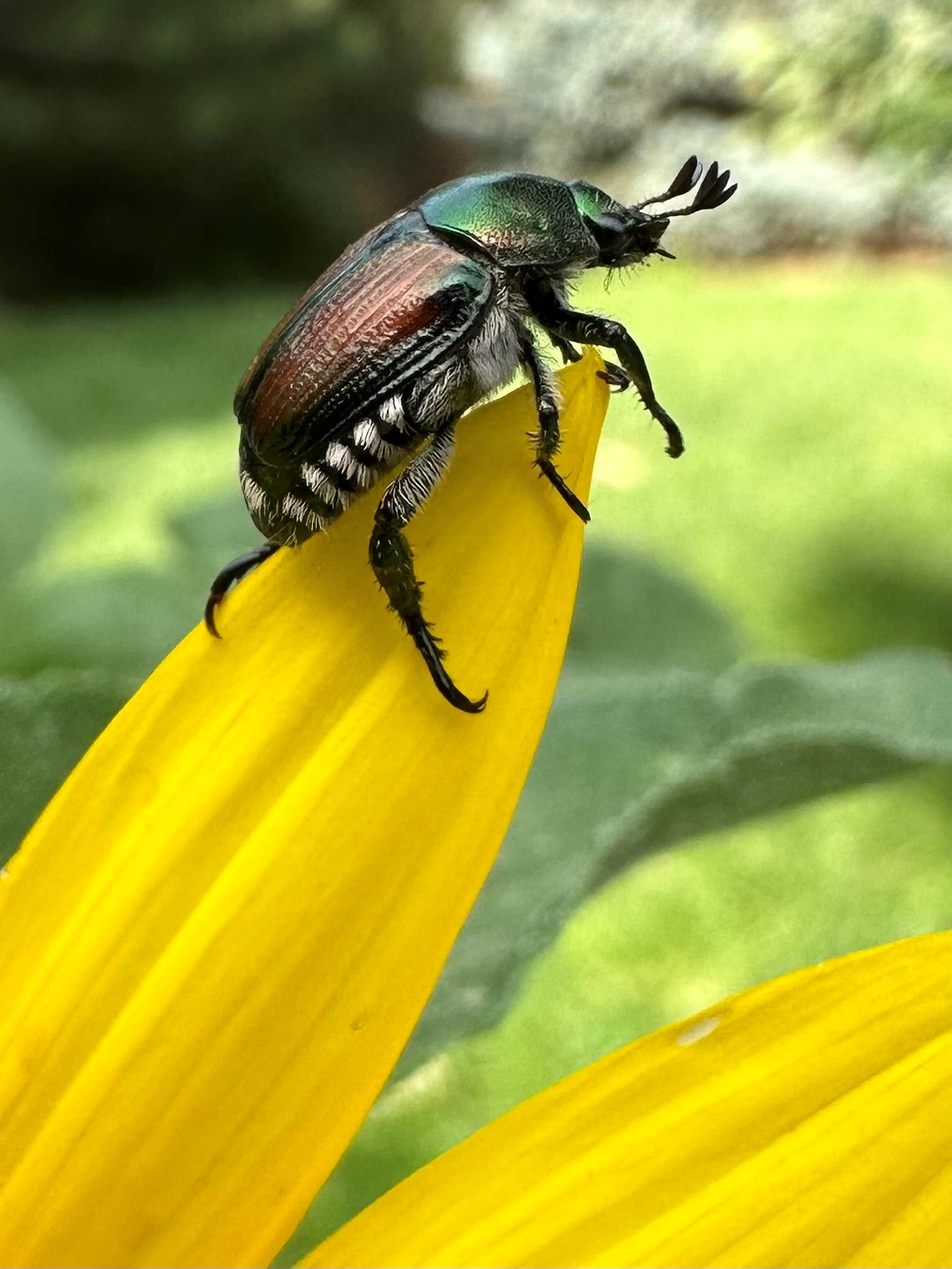
When adult beetles are feeding on your landscape plants, consider hand-picking them off your plants and brushing them into a bowl of soapy water. This will help provide some relief for your plants. Traps that use pheromones to attract beetles will not provide control. The traps may attract more beetles to your area. If traps are used, make sure to place them at least 30 feet away from important plants. Insecticide options are available to help manage Japanese beetles but use caution because many products cannot be applied to flowering plants because they will harm bees and other beneficial insects. Also consider if products are safe to apply to vegetable crops. Read the label and follow the direction explicitly for any pesticide product.
Long-term solutions for managing Japanese beetles include finding alternative plants or different varieties of plants not preferred by the beetles. This is often a personal choice but there is a wealth of plant options available. To learn more, visit the Japanese Beetle Plant Damage Lists. Learn more about rose varieties here.
Forests Pests
From a statewide perspective, many pests continue to impact forests in Colorado. Western spruce budworm is currently the most widespread pest defoliating new growth on spruce trees. Western spruce budworm can reduce the health the tree over time, but doesn’t directly cause the death of a tree. Bark beetles, which are lethal to a tree, continue to be an issue in pockets around Colorado. Currently, mountain pine beetle, Douglas-fir beetle, and western balsam bark beetle are impacting forests. According to the Colorado State Forest Service, “Outbreaks of bark beetles and other insects expanded their footprints in forests during hotter, dryer conditions in 2024. Following a wet and cool year in 2023, the shift back to near-record temperatures and below-average precipitation in Colorado stressed trees needing several years of mild conditions to build defenses against attack from bark beetles and other forest pests.” For more information on forest pests in Colorado, refer to the 2024 Report on the Health of Colorado’s Forests.
Mosquitos
Mosquitos continue to be an important insect in regard to human health. As of early July, mosquito surveillance through the Colorado Department of Public Health and Environment has indicated that some mosquitos have tested positive for West Nile Virus (WNV) in Larimer County. No human cases have been reported in Colorado for 2025.
Arapahoe County Public Health has four mosquito surveillance sites to screen for WNV. After the rains in early June, the county’s mosquito numbers had already doubled in some areas and tripled in others compared to numbers last year. This was partially due to a very wet spring leading into very warm weather now. The increased numbers account for all mosquitoes, not just the species that carry West Nile Virus, so it’s unclear if that will increase the numbers of West Nile Virus.
Mosquito prevention efforts include:
- Avoid going out at dusk and dawn when mosquitos are most active.
- Wear long-sleeved shirts and pants.
- Wear an insect repellant approved by the EPA (e.g. products with DEET are very effective).
- Remove standing water on your property.
Ticks
Ticks are another pest of importance for human health. Colorado has about 27 species that can be found in areas of dense vegetation (e.g. brush, tall grasses, etc.). Ticks in Colorado carry diseases such as Colorado tick fever and Rocky Mountain Spotted fever. The ticks that carry Lyme disease are NOT found in Colorado.
The Colorado Department of Public Health and Environment is increasing surveillance efforts through a citizen science program by collecting ticks submitted by Coloradans. If you find a tick, visit the website for instructions on how to submit it to experts for identification.
Tick prevention efforts include:
- Avoid tick habitat (e.g. brushy areas or tall vegetation)
- Wear light-colored long-sleeved clothing and pants.
- Wear an insect repellant approved by the EPA (e.g. products with DEET are very effective).
- Check yourself, children, and pets for ticks after spending time outdoors.
Click here for more information on tick species, removing a tick, prevention methods, and more.
Emerald ash borer
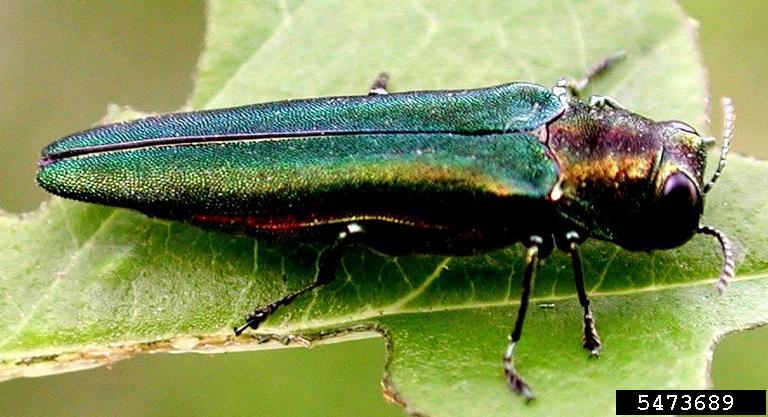
Emerald ash borer (EAB) continues to spread throughout the Denver Metro Area. Most recently, EAB has been confirmed in Lakewood and within the City and County of Denver.
EAB is an invasive beetle that kills all ash trees in the Fraxinus genus (e.g. white and green ash). If you have ash trees on your property, you’ll have to make a financial decision whether to save or remove the tree. All trees will eventually need to be treated with insecticide if they are to be saved. Many factors impact the decision to save or remove a tree, and when to take action. For treatment options and more information, click here. For questions on EAB, or how to make decisions about your trees and possible diagnosis, contact CSU Extension-Arapahoe County at MasterGardener@arapahoegov.com or 303-730-1920.
Learn More about Pests and Management Strategies
If you have questions about pests in your landscape, reach out to your local county Extension office. To learn more about pests in your landscape, here are some additional resources:
- Fact sheets on insects in Colorado
- PlantTalk webinars and videos
- Upcoming classes and events in Arapahoe County
- Contact and information for the Arapahoe County Master Gardener Help Desk

