

Spring Cleaning for Your Garden
By Valerie Seale, Colorado Master Gardener
The concept of deep cleaning and decluttering your home during spring can be traced back to ancient civilizations. They believed this ritual brought good luck and health, prosperity, and also warded off evil spirits.
Below are suggestions on how you can spread that clean feeling around your garden, starting in March or as soon as the ground thaws.
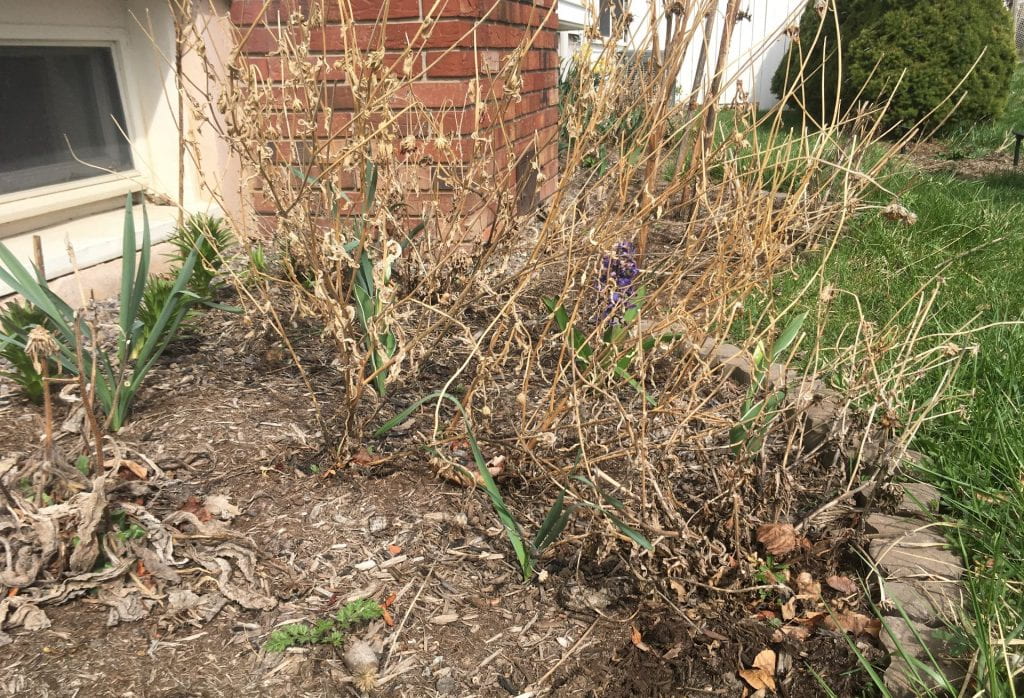
- During autumn, some gardeners hold back on clearing out dried leaves and other organic debris left on the ground to help protect overwintering beneficial insects and plants’ roots during the winter. Now is the time to collect this nourishing bounty and add to your, or a friend’s or neighbor’s, compost pile.
- Perennials are smaller, herbaceous (non-woody) flowering plants that grow and bloom over spring and summer, and then die back every autumn and winter. Cut back the dried stems and leaves of perennials to the base, or crown, of the plant. If you discover new, soft growth already popping up through the crown, leave it be so it can flourish during the upcoming growing season.
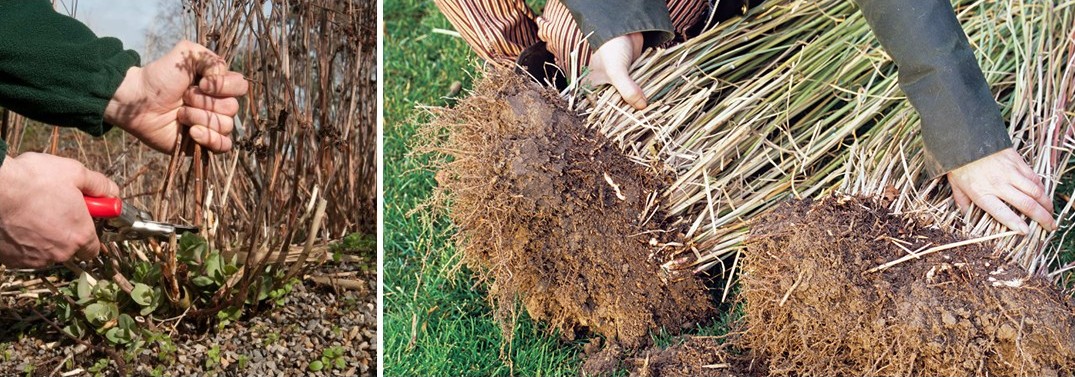
- If you grow ornamental grasses, now is the time to cut them back one to two inches from the ground. The remaining stubby, old growth protects new shoots and keeps the grass clump looking tidy. Some grasses, like Blue Avena Grass (Helictotrichon sempervirens), should not be cut back. Instead, comb through the blades with your fingers to release the dried foliage. Older grasses can start showing a “donut hole” in their middle. Give the grass a new life by digging it up with its roots, then separating the viable parts from the dead center. Re-plant the extra parts – a win-win for the grass and you, and for your family, friends and neighbors who are interested in placing grasses in their gardens.
- Late winter and early spring are perfect for pruning deciduous (non-evergreen) shrubs. Aging shrubs can become dense and woody, creating newer foliage growth on the outer edges and a sparse center. To help rejuvenate a shrub, remove its dead, damaged and diseased stems. This allows the shrub’s energy to be redirected to newer growth.
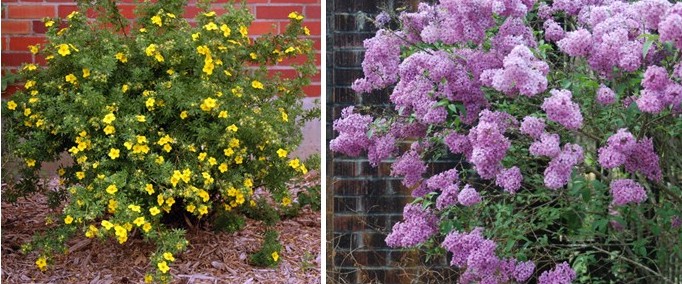
It’s very important to know if your shrub blooms on new growth or old (shrubs that bloom on last year’s growth). Prune shrubs that bloom on new (this year’s) growth in the spring. This type of shrub includes potentilla (can be sheared by half or more), spirea (trim after first bloom to encourage further growth), dogwood, and some hydrangeas (H. paniculata, H. aborescence). Prune old growth shrubs, such as lilac, forsythia and some hydrangeas (Hydrangea macrophylla, H. quercifolia), in the summer after they finish blooming.
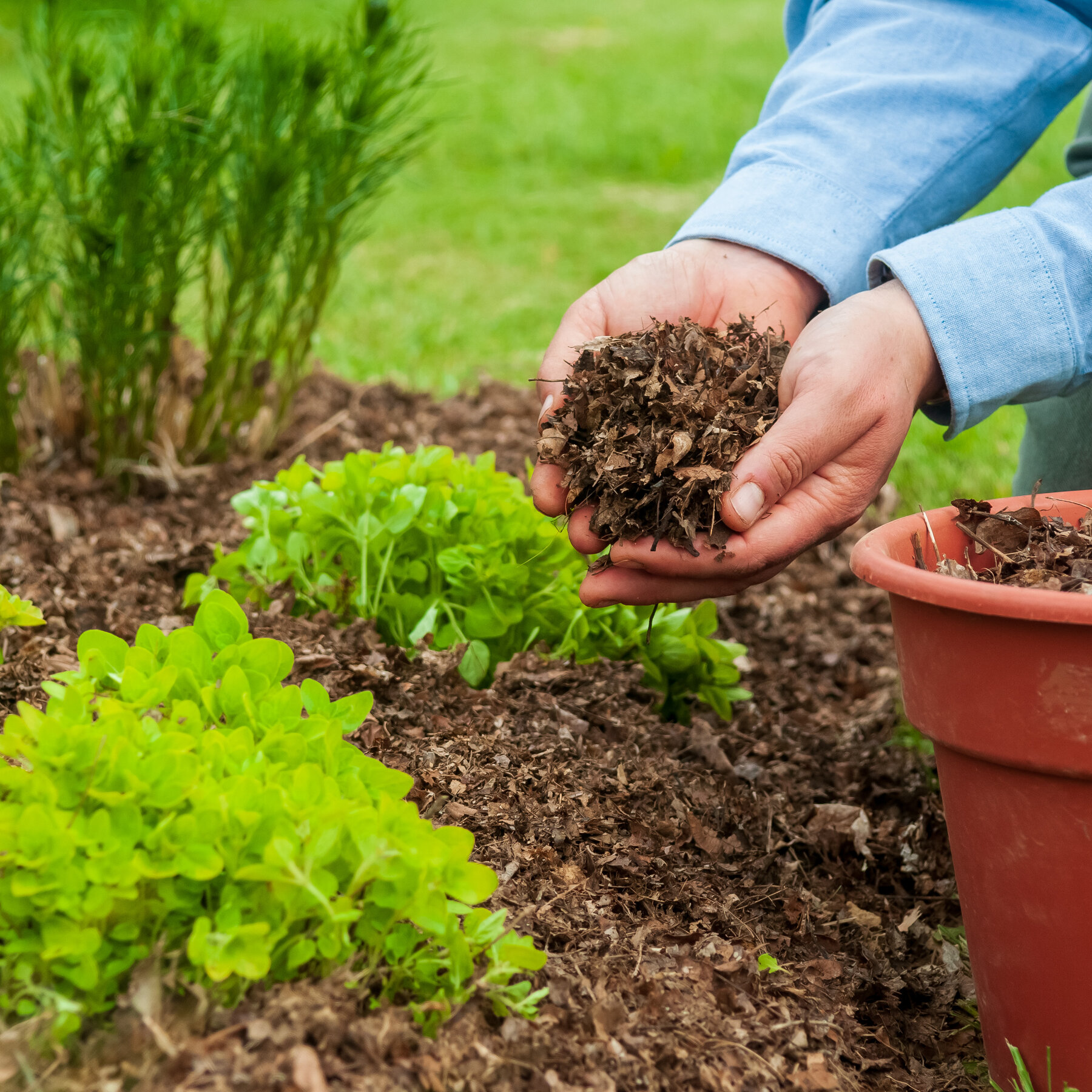
- If your planting beds contain wood mulch, give them a new two- to three-inch layer. This helps retain moisture, regulate soil temperatures, protect any shallow roots, and promote microbial communities for healthier soil. Avoid placing mulch directly on top of perennials or up against woody stems and trunks. Instead, mulch around your freshly cleaned plants to enhance plant health and the garden’s aesthetic. If your existing mulch is in good condition, give it a nice air fluff and re-apply for a seasonal refresh.

