

From the Hort Desk
By Lisa Mason, CSU Extension Horticulture Specialist and Entomologist
Wild Warm Winter Insect Observations
This winter has been record breaking in terms of lack of moisture and warm temperatures. The Denver Metro area has seen less than 14 inches of snow this season. According to the National Weather Service, snowfall averages range from 56 to 60 inches of snow per year in Denver. Daily temperatures continue to break records as highs have been reaching 60+ degrees Fahrenheit.
What is normal?
Insects overwinter in various life stages. They are adapted to survive cold and snowy winters. Insect populations ebb and flow from year to year based on a variety of variables, including food/host plant availability, weather patterns, habitat and more.
Some insects overwinter as adults. These insects will also be active on warm winter days. Common insects include boxelder bugs, elm seed bugs, elm leaf beetles, stink bugs, western conifer seed bugs, some flies like cluster flies, lady beetles, etc. These insects may try to wander into your home to find a place to keep warm. Sometimes they can be a nuisance, but generally these insects are harmless. Boxelder bugs can often appear in high numbers on the south side of a building. Other insects like conifer seed bugs are solitary, but may still attract attention when they incidentally wander into a warm, cozy home. Lady beetles overwinter as adults. Some species will migrate to sheltered spaces such as plant debris or bark crevices. Of note, the convergent lady beetle will migrate to higher elevations and spend the winter in sheltered areas in mass aggregations with other lady beetles.
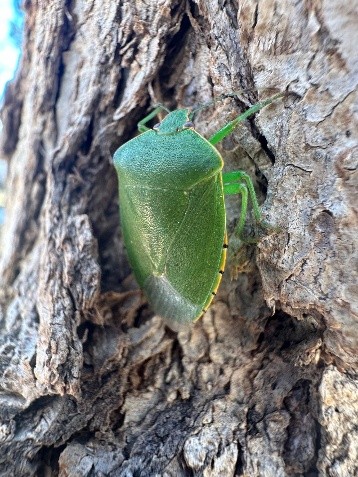
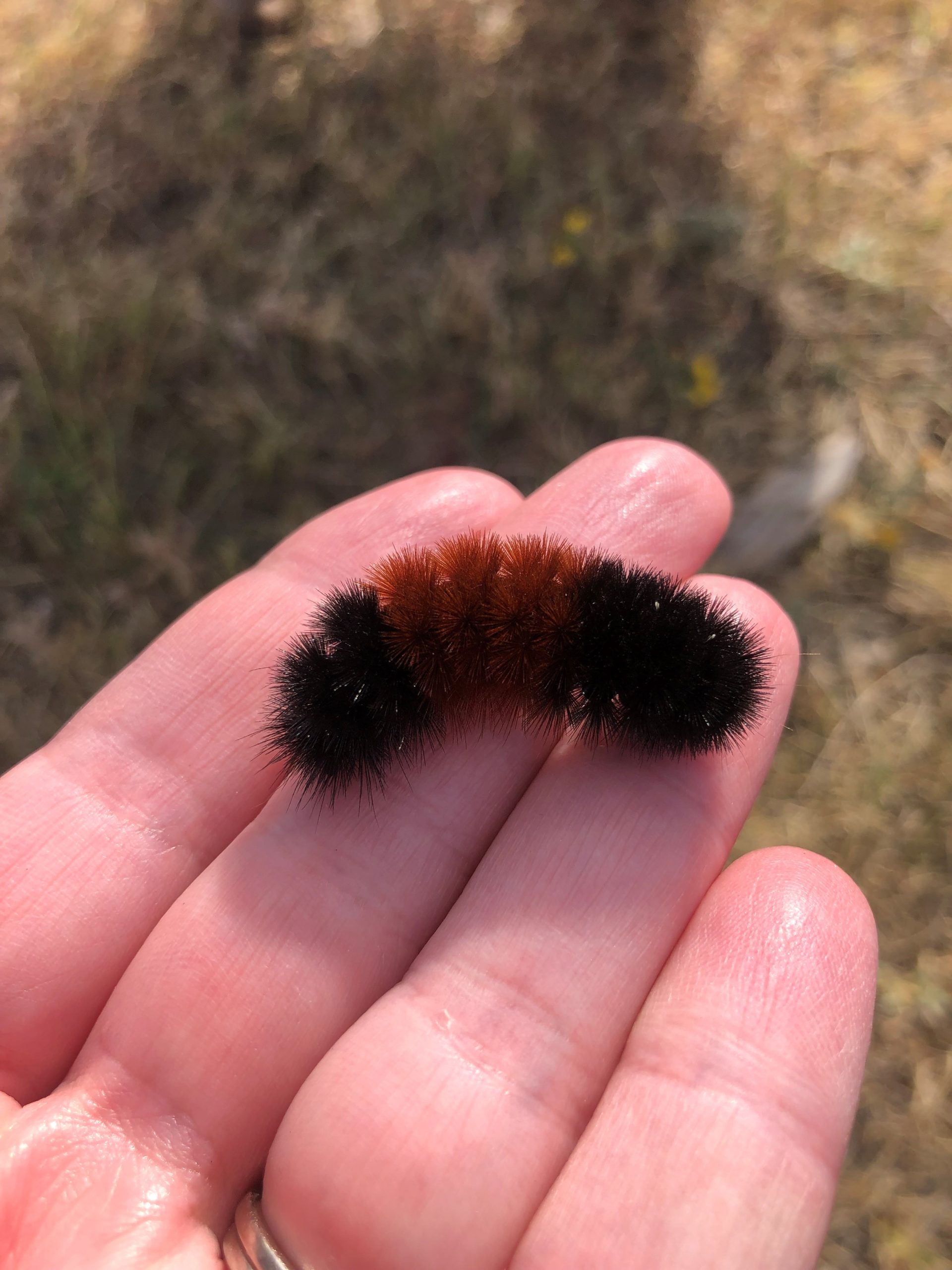
Some insects will spend cold temperatures in diapause, a hibernation-like state. Diapause is common among insects and arthropods that cannot continue development until temperatures and conditions are more favorable. Many of the overwintering adult insects survive winter by entering diapause. Insects in other stages of life can also survive through diapause. A common example is the woolly bear caterpillar. They overwinter in the caterpillar stage by hibernating in leaf litter. They have impressive adaptations to survive the winter. When summer arrives, they complete metamorphosis and transform to an adult Isabella tiger moth.
Insects that are not adapted to surviving winter as adults will die off and the next generation will overwinter in different life stages. Insects that overwinter as eggs include grasshoppers, aphids, mantids, some species of butterflies and moths like the Colorado hairstreak and more. Some insects will overwinter as a pupa stage, including swallowtail butterflies, and some beetle species. Other insects will overwinter as larva or nymphs, including ground-nesting bees and wasps, some species of beetles, grasshoppers, moths and butterflies. While some species rely on antifreeze-like chemicals in their bodies to keep them alive, others rely on underground or sheltered protection in the environment during their different life stages.
Why am I seeing so many honey bees?
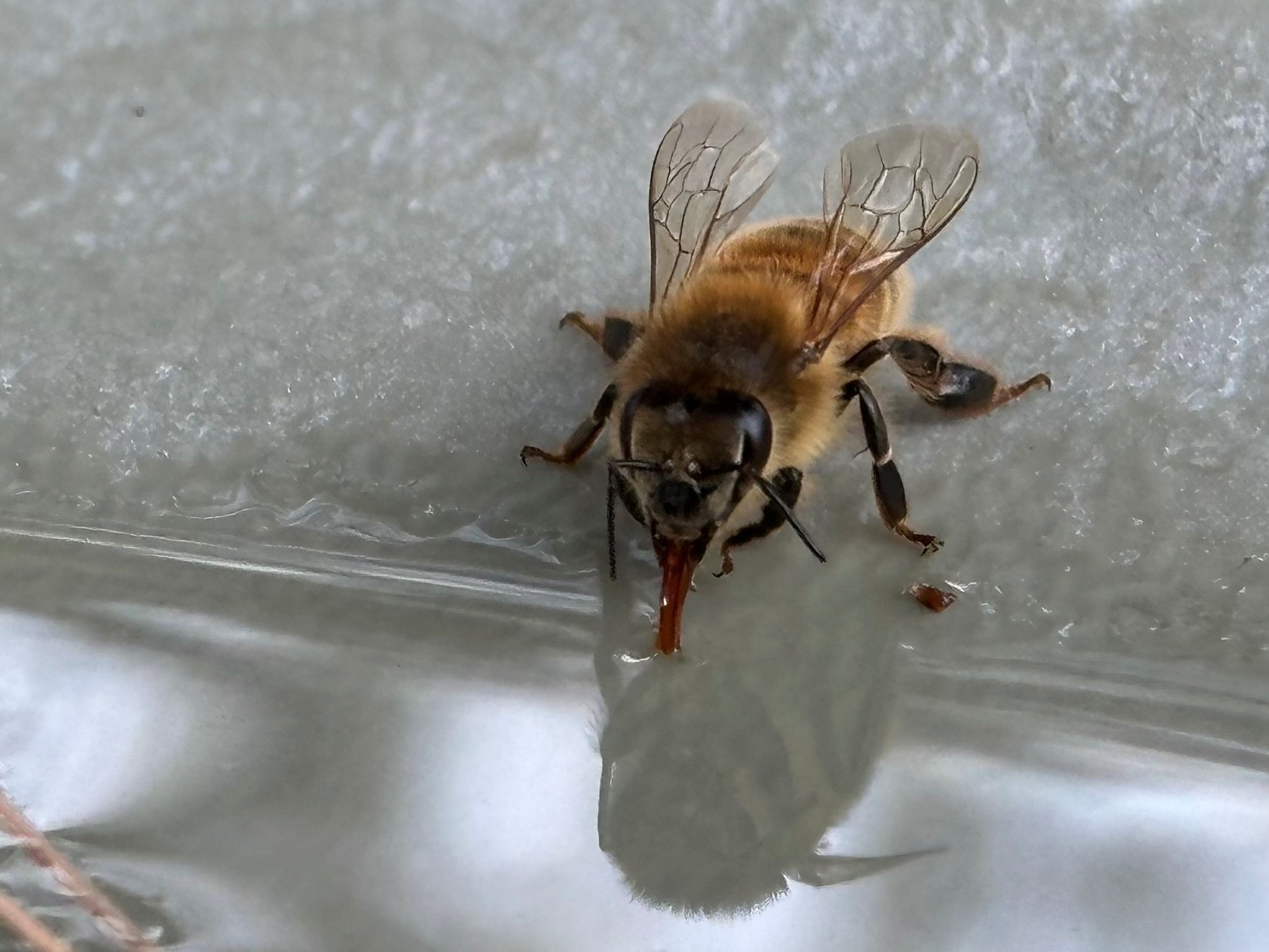
Honey bees are often seen outside the hive on warm winter days. Any time temperatures rise above 55 degrees Fahrenheit, honey bees may take a cleansing flight which provides them the opportunity to relieve themselves. Honey bees may also forage for whatever they can find, including tiny bits of protein at bird feeders.
When temperatures start to drop for winter, honey bees huddle together to make a cluster and shiver their wings within the hive. Shivering provides warmth for the hive. Their main goal is to keep the queen warm so the colony can survive. The core temperature in the hive can be as high as approximately 91 degrees Fahrenheit. A healthy hive with adequate food storage is more likely to survive. Beekeepers should leave 80 to 100 pounds of honey in the hive for the bees to feed on throughout the winter.
What is NOT normal for this winter?
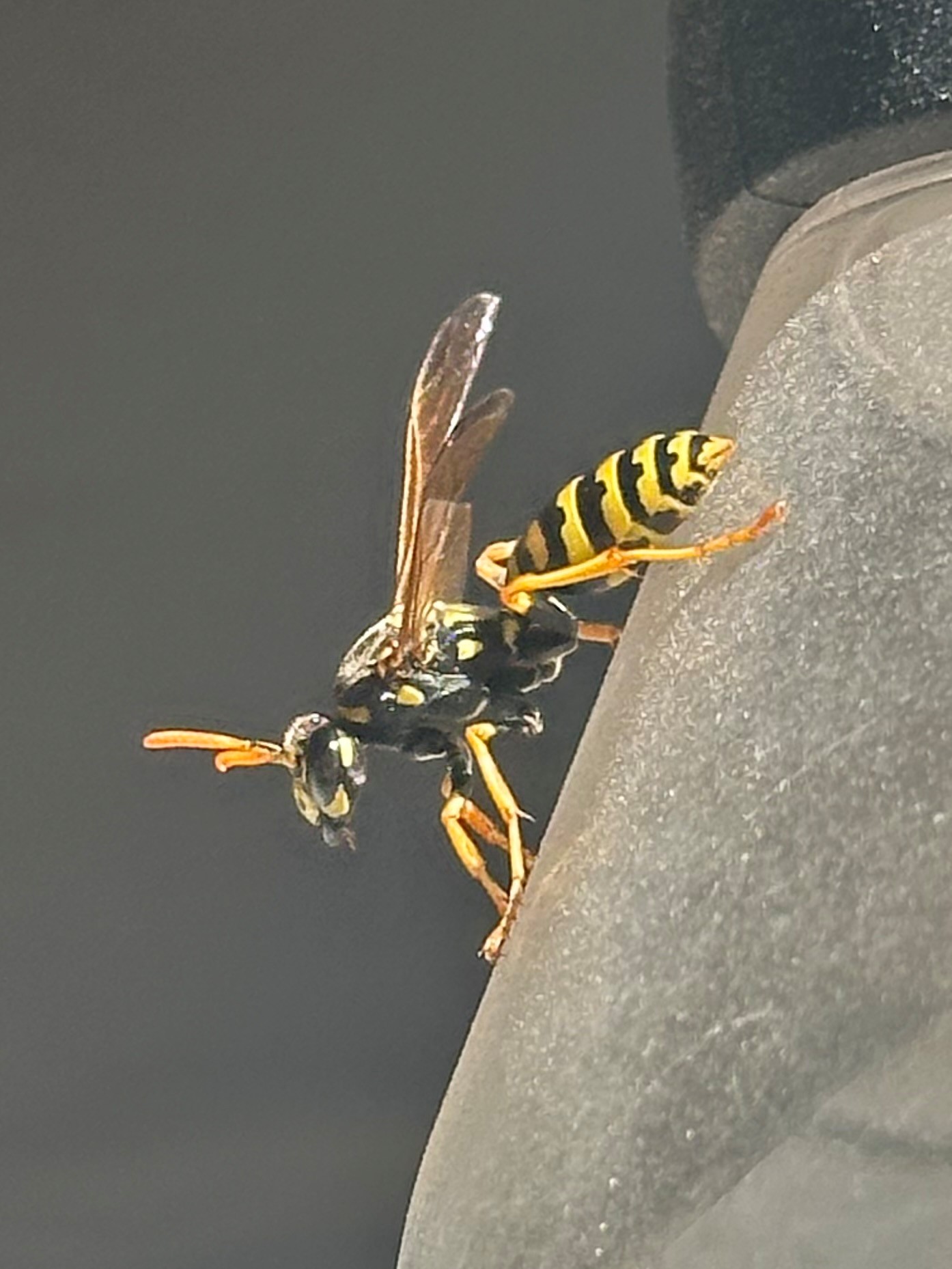
While insect populations can ebb and flow with temperature and precipitation variations, this winter has been so warm that we may see some unusual trends. There have been occasional observations of insects that would normally die off. For instance, butterflies and moths that would normally die off as adults have been observed flying around. These individuals have likely found sheltered areas and have been able to stay alive due to the warm weather.
Most grasshoppers die off when winter arrives and only the eggs survive in the soil. Some adults may find sheltered areas and survive part of the winter. We also have some species where the eggs hatch in mid-to-late summer, and they overwinter as nymph grasshoppers. It’s possible to see grasshoppers on these warm, winter days. We could have another tough year for grasshoppers. Dry weather may lead to less plant material/weedy plants, which may increase the grasshopper pressure on irrigated plants such as crops and ornamentals.
As we move forward into the spring, it is possible for other insects to emerge earlier than normal. This could be a challenge for some insects, depending on their food source. Insects that depend on pollen and nectar may not have adequate resources available unless flowers are also blooming early.
It’s also possible to have mismatches between plants and insects. If plants bloom earlier than when the insects emerge, they may not be able to utilize food/resources from the plants.
Pest activity could worsen with warm temperatures. They could emerge early and stay active longer, causing more damage. As an example, ticks are medically significant and could potentially have an earlier start to the season. The warm weather may also benefit forest pests. Mountain pine beetles are already predicted to increase significantly this summer due to high availability of old, stressed-out pine trees along the Front Range. Drought stress from the warm, dry winter works to the beetle’s advantage.
What can we do?
Keep plants as healthy as possible by watering this winter. Healthy plants will better withstand drought, pests and pathogens. Prioritize trees and shrubs in the landscape. New plants, including drought-tolerant perennials, will also benefit from supplemental water while they are establishing in the soil. Water on days above 40 degrees Fahrenheit. For more information, check out this CSU Source story on winter watering. Wait to clean up gardens. Insects and arthropods are still utilizing leaf litter and plant debris, even with warm temperatures. Leaf litter can also be a great mulch to help keep moisture in the soil after watering. Consider water conservation in your garden and landscape planning. We may see tighter water restrictions this summer. Perhaps there are areas of drought-stressed turf grass that could be transformed into a space that supports drought-tolerant perennials. After turning on your irrigation system, plan to do a simple irrigation audit to improve coverage and save on the water bill.
Contact the Arapahoe County Master Gardener Help Desk with questions at 303-730-1920 or email at MasterGardener@arapahoegov.com.

