

Finding the Perfect Shade Tree
By Phil Schreiner, Colorado Master Gardener
Ash trees (Fraxinus americana) currently make up a significant part of the urban canopy along the Front Range. The Colorado State Forest Service has estimated that there are about 1.5 million ash trees in the Denver metro area. Ash trees were often used throughout the US to replace American elm trees that were devastated by Dutch elm disease.
The present and future impact of the emerald ash borer has neighborhoods searching for alternatives as this invasive pest continues to threaten ash populations. There are excellent trees available to plant as enhancements to the landscape as well as to replace threatened ash trees. The perfect choice depends on environmental conditions (i.e., soil, sun, water) and your personal preferences.
Great shade trees to consider include varieties of lindens, oaks (particularly hybrid white/English), specific maple varieties, honeylocusts, catalpas, ginkgos, Kentucky coffeetrees and others. Let’s look at a few selections.
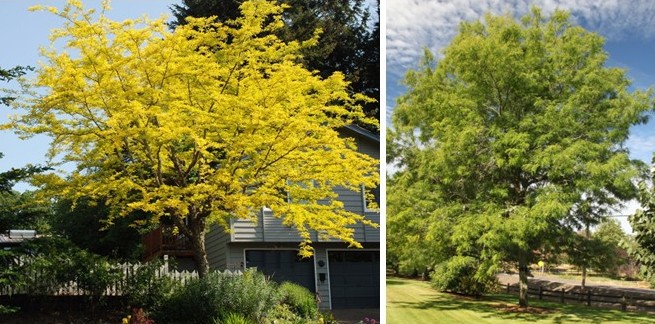
Honeylocust (Glendista triacanthos). The varieties most commonly available in our area are all thornless and either seedless or mostly seedless. Honeylocust trees develop pinnately compound leaves, like the ash, often popping with bright yellow in the spring turning to green and then to a yellow fall foliage. Honeylocusts are moderate to fast growing trees that like full sun, and can adapt to most front range soils (not pH sensitive) and to both drier and wetter conditions.
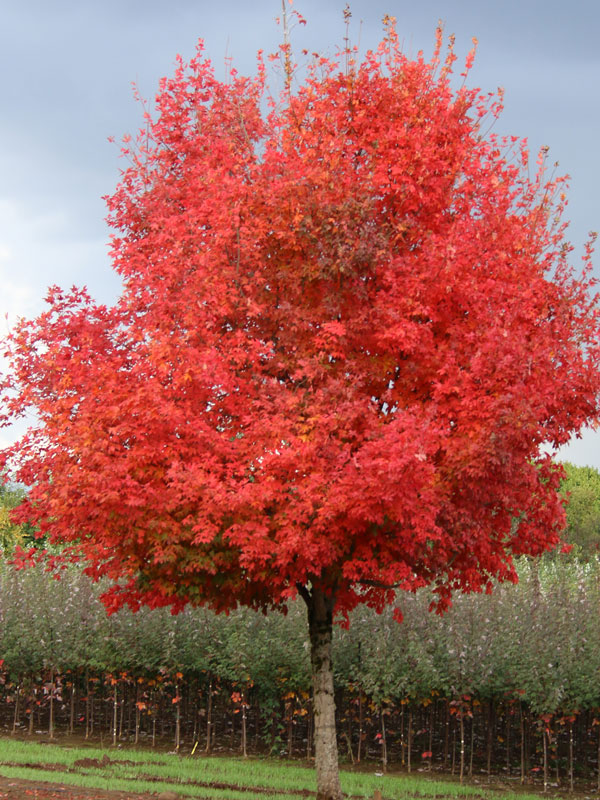
Caddo Sugar Maple (Acer saccharum ‘Caddo’). This tree was found growing in isolated limestone canyons in Caddo County, OK, making it tolerant of hot summers and alkaline soils. Leathery leaves help the tree resist leaf scorch and tattering from wind. Varieties like ‘John Pair,’ ‘Flashfire’ and ‘Autumn Splendor’ have great fall color.
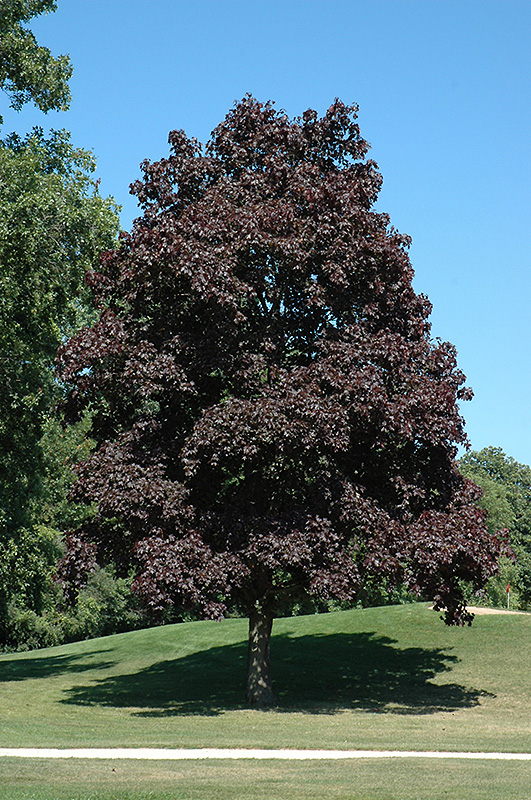
Norway Maple (Acer platanoides). Varieties like ‘Crimson King,’ ‘Emerald Queen’ and ‘Norwegian Sunset’ are reliable fast-growing, full-sun trees that adapt well to our soils. They are good urban trees that often have unique summer foliage color and/or great fall color.
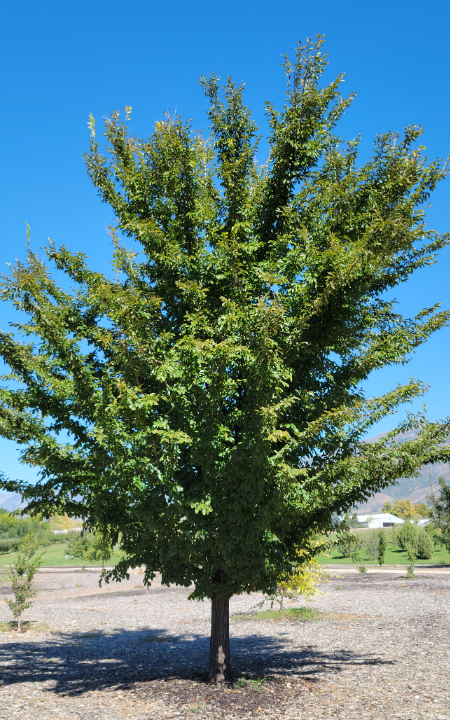
Elm (Ulmus davidiana or hybrids). Cultivars available now are selected specifically for Dutch elm disease resistance. They are fast-growing and shapely trees, capable of handling urban conditions and Front Range sun and weather.
Elm trees were often replaced by ash trees in the 1970s, so it is appropriate now that the elm can help to absorb the loss to the urban canopy of the ash. Many local nurseries will stock a limited number of these trees so they might be a challenge to find.
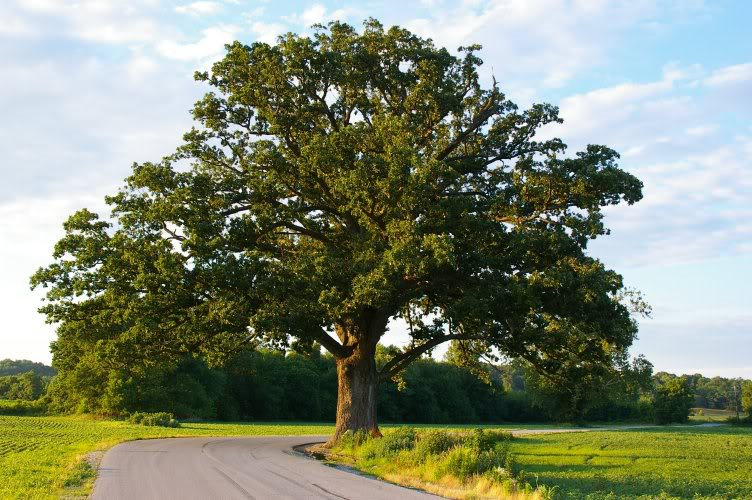
Oak (Quercus spp.). An oak is often a great choice as there are many available varieties. Bur oak (Quercus macrocarpa) is drought tolerant, adapts well to heavy alkaline clay soils, is cold tolerant, and native to much of North America. It is a beautifully shaped tree with spectacular bark, however, it is slow growing, and eventually needs space as it develops a deep and widely spreading root system to go with a large leaf canopy. Tight on space? Columnar hybrid oak varieties like ‘Crimson Spire’ and ‘Street Spire’ are designed for narrow spaces. Chinkapin, swamp white, white, English and red oaks and many hybrid oaks are available and may be the perfect choice for your specific needs.
For a comprehensive selection of trees, consult the Front Range Tree Recommendation List.

