

Beyond Compost: Smart Soil Amendments for Healthier Gardens
By Pam Rosendal, Colorado Master Gardener
While compost remains the backbone of healthy garden soil, savvy gardeners are discovering that specialized amendments can address specific challenges and supercharge plant performance. These targeted materials offer unique benefits that complement your composting routine.
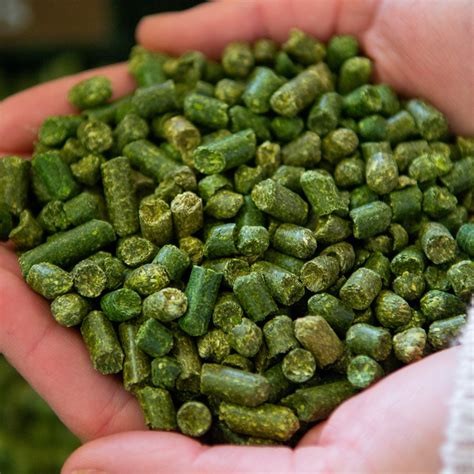
Originally formulated as livestock feed, alfalfa pellets have become a garden secret weapon. Rich in nitrogen and trace minerals, these compressed pellets contain triacontanol, a natural growth stimulant that can boost plant vigor and flower production. Simply work them into the soil before planting or brew them into a nutrient-rich tea for roses, tomatoes and other heavy feeders. As they slowly break down, they improve soil structure and feed beneficial microorganisms.
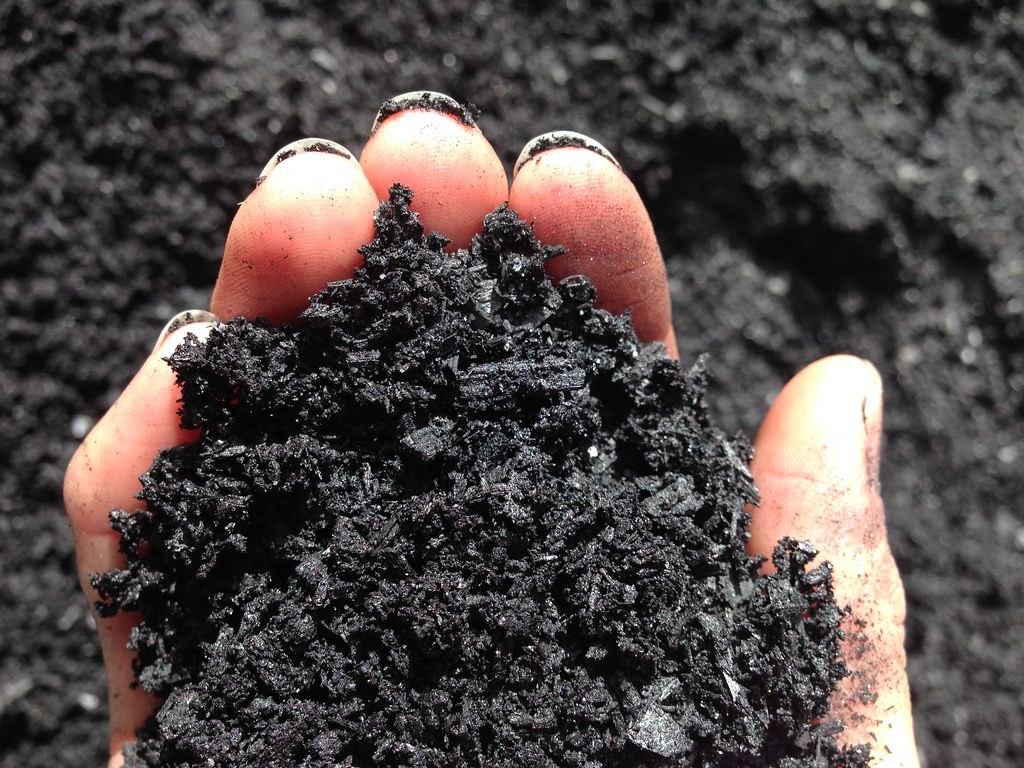
Biochar is charcoal produced through pyrolysis—heating organic material in a low-oxygen environment. This process transforms wood, crop residues or other biomass into stable carbon without simply burning it to ash. Biochar’s porous structure creates a haven for beneficial microorganisms while aerating the soil and holding nutrients and water like a sponge. Unlike compost that decomposes within seasons, biochar persists for decades to thousands of years, making it a one-time investment in soil health. Before application, “charge” it by soaking in compost tea or liquid fertilizer to maximize its effectiveness.
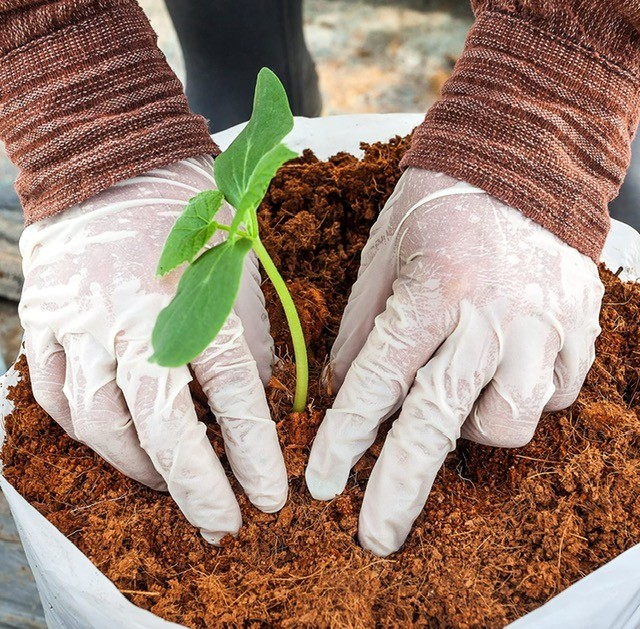
Adopted by hydroponic growers, coconut coir offers the home gardener an eco-friendly alternative to peat moss. Derived from coconut husks, coir improves water retention in sandy soils while enhancing drainage in clay and, unlike peat, it is pH-neutral and sustainably harvested. Coir resists compaction and decomposition, thereby maintaining soil structure for multiple growing seasons. Rinse it thoroughly before use to remove excess salts, particularly if you’re growing salt-sensitive plants.
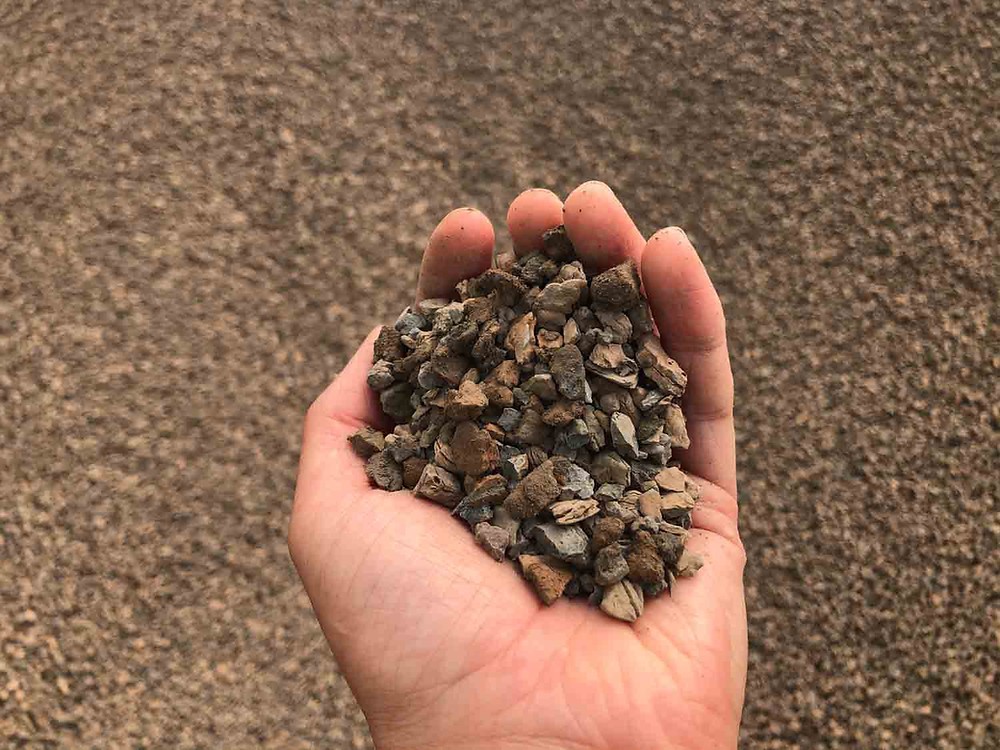
Heat-expanded shale creates lightweight, porous particles that dramatically improve soil aeration and drainage. Particularly valuable when tilled into heavy clay soils, these shale particles won’t decompose or compact over time. They create permanent air pockets that encourage robust plant root growth and encourage beneficial soil microorganisms while also retaining some water and nutrients.
Researchers at Denver Botanic Gardens-Chatfield are conducting a study to determine the most effective combinations of soil amendments and mulches to improve soil characteristics, reduce water loss, limit weed growth, and promote healthy ornamental plant growth. Preliminary results suggest heat-expanded shale incorporated into the soil is a winner.
The best amendment for your garden depends on your specific needs. Conduct a soil test to identify deficiencies, then select amendments that address your particular challenges. Combining any of these materials with regular compost applications creates a balanced approach that feeds plants while building long-term soil health. Remember that soil improvement is a journey, not a destination. Each amendment you incorporate brings you closer to that ideal garden soil.
Resources
- Extension’s Choosing Soil Amendments introduces more soil amendment options and considerations when using them.
- Organic Fertilizers from CSU Extension has more information on alfalfa pellets and other organic fertilizers.
- Extension’s Biochar In Colorado and Frequently Asked Questions About Biochar Applied to Soils from the US Department of Agriculture should answer any lingering questions.
- CSU’s Pueblo Extension has written about their experiences using coconut coir.

