

How to Succeed with Houseplants
By Mae Lenoir Rauen, Emeritus Master Gardener
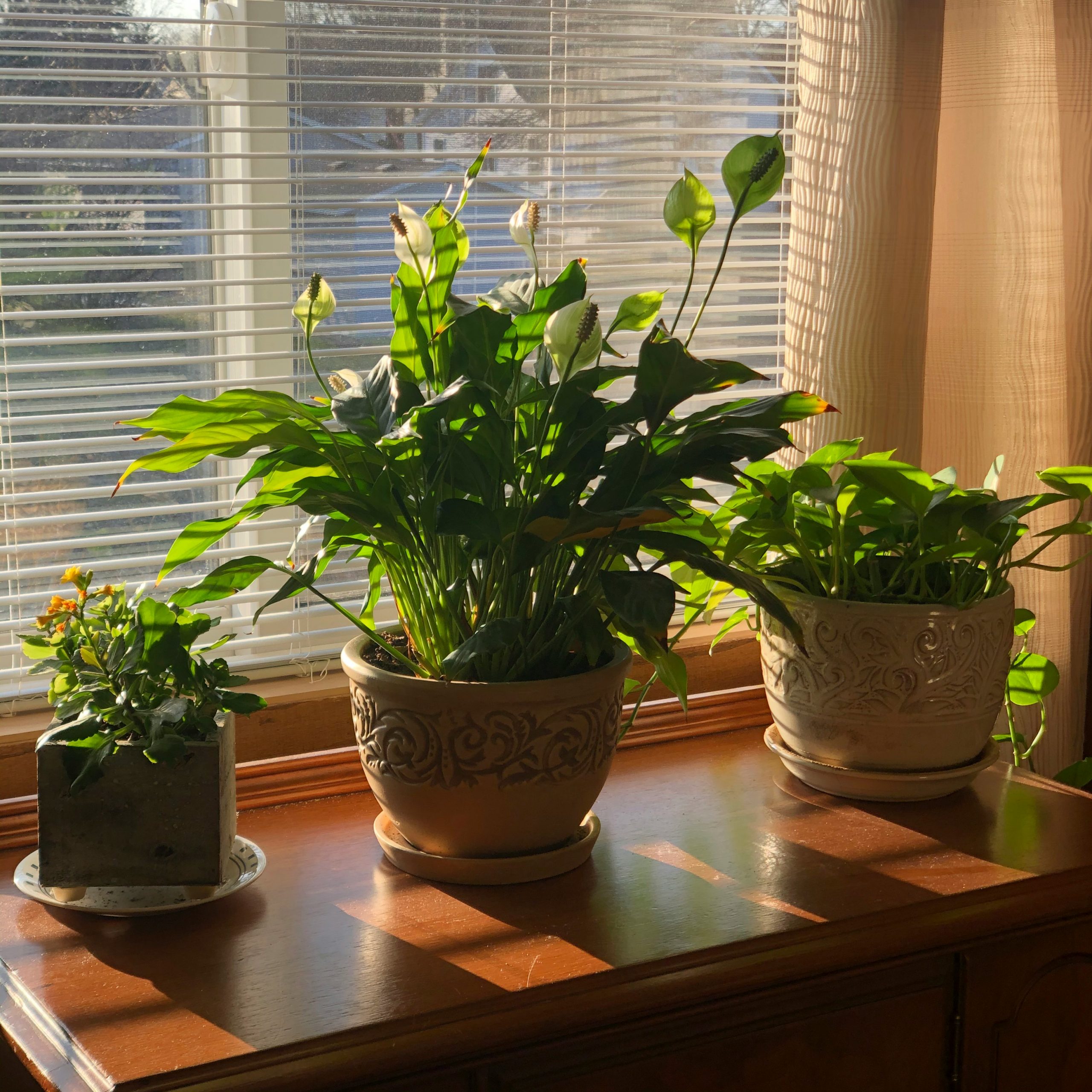
Keeping houseplants alive can be a challenge for people with green thumbs as well as for those who haven’t had much success with growing anything. Choosing a plant for a particular environment and learning the needs of each plant are crucial components for healthy, enjoyable plants. It may be difficult to regulate temperature for individual plants, but it is easy to control soil type and container used, relative humidity, correct watering practices, well-timed fertilization, and, perhaps most important, location.
Many homes do not have good natural light sources for optimal plant growth. Thankfully, there are some plants that either require less light or will tolerate lower light situations. Among these are Pothos, Sansevieria and Spathiphyllum. Some succulents and grow-from-seed annual herbs are also worth experimenting with. A simple way to understand the basic needs of any given plant is to learn where it grows in nature. Internet searches can provide a wealth of information on native status, common names and tips for cultivation.
Most houseplants will adjust to warm temperatures between 65°-75°F during the day with slightly cooler temperatures at night. Avoid placing plants near heat vents, radiators or drafty doorways. A common mistake is placing a plant where you want its decorative presence instead of where its needs will be met.
A good potting soil product or potting medium is necessary. Pots can be clay or plastic. Drainage holes are required. Accumulated salts will show up as a whitish crust on soil surfaces and on sides of clay pots. Some fertilizer products are more prone to salt build-up. Repotting may be necessary.
Living in an arid climate with forced air heating and cooling makes for very dry air in the home. Investing in humidifiers is healthy for humans as well as houseplants. Grouping plants together makes an attractive display and increases humidity in the immediate area. Another way to increase humidity involves the use of pebble trays. Place pots on a tray or saucer filled with pebbles to elevate the bottom of the pots above the water, keeping the water level constant.
Houseplants should always be watered with tepid water, moderately warm, comfortably between cool and hot. Cold or hot water shocks the roots and can lead to plant death. If a pot is sitting in a saucer to catch drainage, the drained water should be poured off between waterings. Drainage saucers can be placed on top of pebbles in containers. Try to duplicate the amount of water the plant would receive in its native habitat, taking into consideration how quickly potting medium dries out. Providing too little or too much water likely kills more houseplants than any other factors.
A good quality houseplant fertilizer should be applied according to label instructions. Water-soluble products are easy to use. Most plants will appreciate a break from fertilization during winter months when plant growth slows.
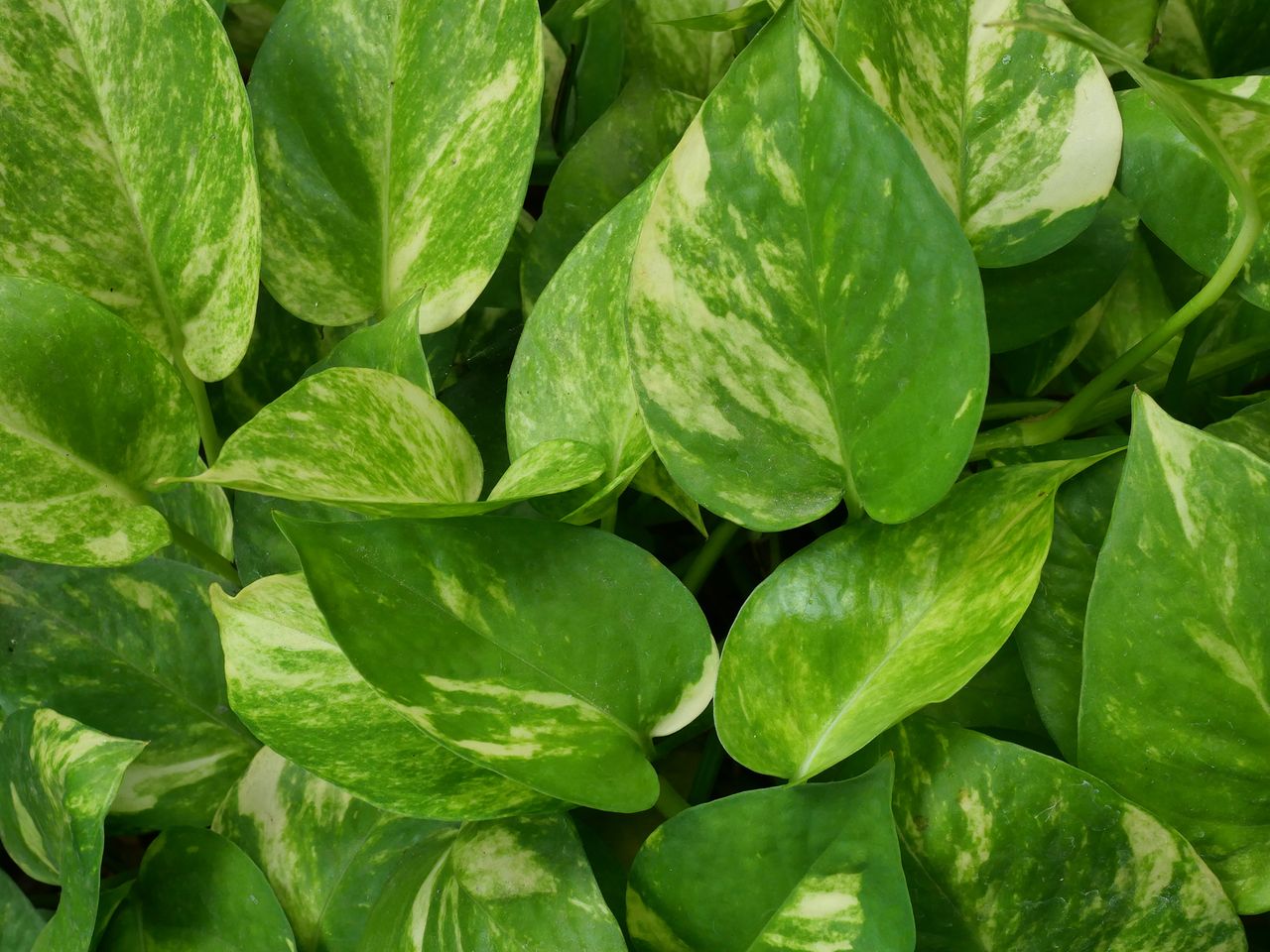
Pothos or Devil’s Ivy comes in several sizes and colors. Golden Pothos is popular with its large dark green and gold variegated leaves. Keeping Pothos in a vase of water works well until roots have grown long. Some people find it easier to have Pothos as a houseplant in water. Be sure to check the water level often.
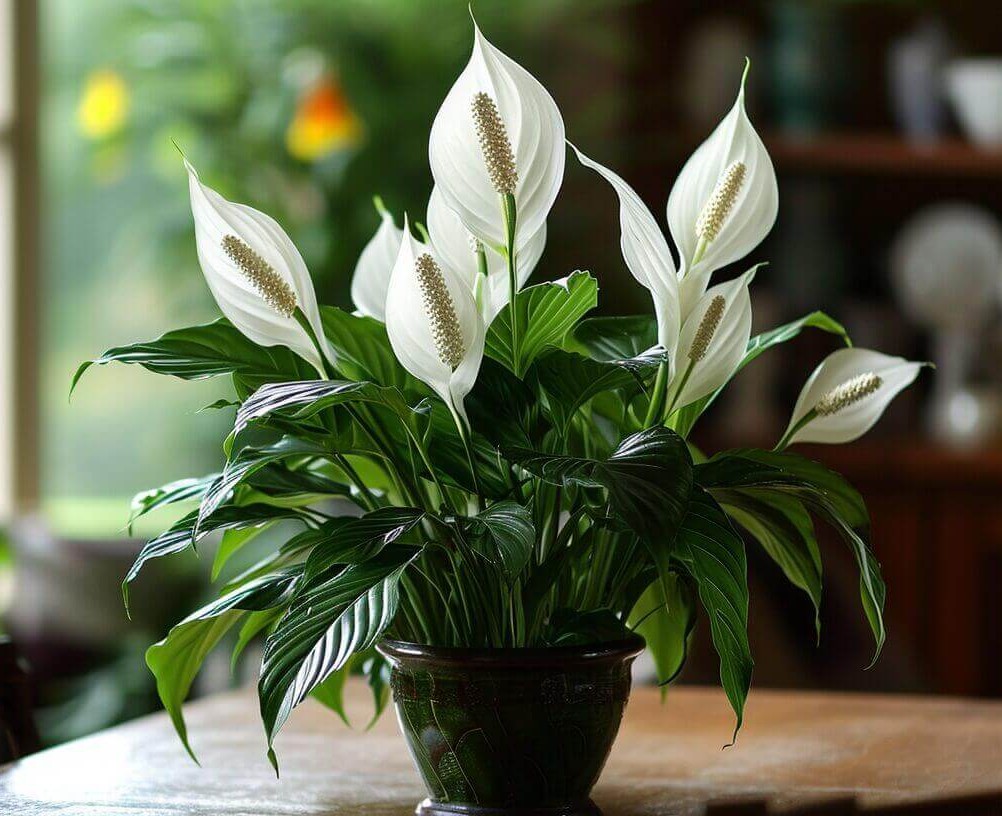
Spathiphyllum is also called Peace Lily or White Sails. It is known as a flowering houseplant, popular for its striking white spathe or modified leaf, with distinctive spadix. With proper fertilization it will keep producing this showy “bloom.” Studies have shown this plant to be an excellent air purifier.
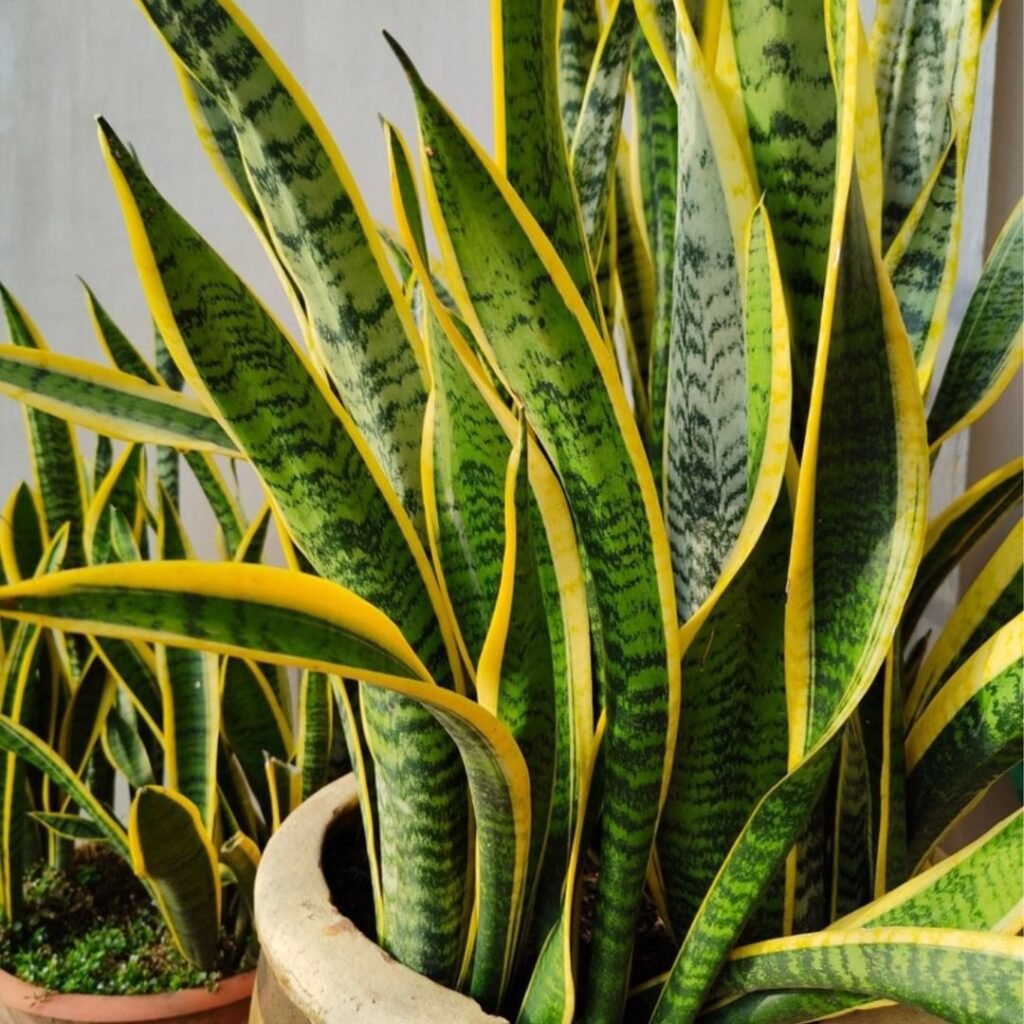
Sansevieria goes by the common names Snakeplant and Mother-in-Law Tongue. It is one of the easiest to grow houseplants. They can often be seen in public places that would be inhospitable to other plants.
Many succulents can live with fairly low light and have the advantage of requiring less often watering. Herbs such as basil, oregano, and cilantro can easily be grown from seed if you have a windowsill or window area with at least four hours of light per day. Trimming back leaf stems for use in the kitchen will encourage a nice plant shape and keep the plants going for many months.
If all of your efforts fail and your thumbs refuse to turn green, there are some very life-like artificial plants available. Succulents made from different types of plastic are surprisingly real looking. Many silk flowers are also amazingly similar to live plants. If you have to touch a leaf or petal to tell the difference between live or faux you can be assured of having a “plant” that needs no care at all except for an occasional dusting.

