

From the Hort Desk
By Lisa Mason, CSU Extension Horticulture Specialist and Entomologist
Emerald Ash Borer: An Update for Homeowners
Emerald ash borer (EAB) continues to spread in Arapahoe County and the Denver Metro Area. The Colorado State Forest Service has reported that EAB has been confirmed in over 20 cities along the Colorado Front Range. EAB was recently found in the Four Square Mile area of Aurora, within the City and County of Denver, and other municipalities.
Within Arapahoe County, EAB has been found in Littleton (2023), Centennial (2024), and now Aurora (2025). EAB has only been found in small pockets within these municipalities, so it is difficult to know how widespread the infestation is. Unfortunately, EAB will continue to spread and homeowners with ash trees need to make a plan.
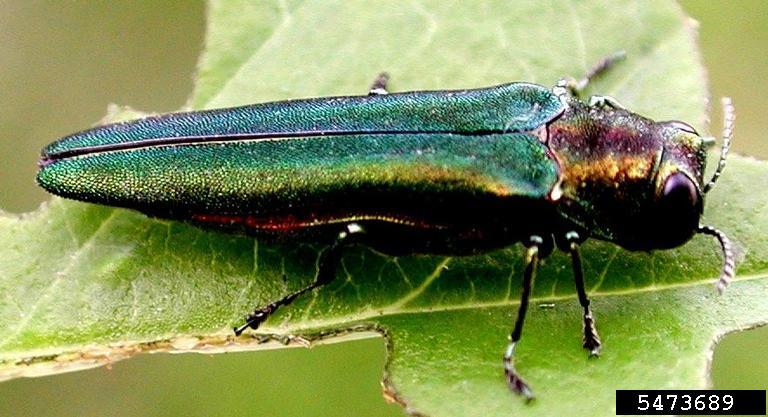
EAB is an invasive beetle that kills all ash trees in the Fraxinus genus (e.g. white and green ash). Varieties like ‘Autumn Purple’ ash are also susceptible. EAB was discovered in Boulder County in 2013. The Boulder County quarantine provided information and education to help reduce the transport of ash wood in and out of the county to slow the spread. EAB remained in Boulder County for about 5 years. Since then, it has spread naturally and through suspected transportation of infested wood. EAB is difficult to detect because healthy ash trees can take several years before they start showing symptoms. They also infest the top of the tree first, adding a layer of difficulty in detection.
When to Take Action
Is it time to take action on your plan? When to take action is also a personal and financial decision depending on the health of your ash trees. We can presume EAB is spreading and we do not know the extent of infestation.
Since EAB spreads slowly, homeowners have time to make the decision that works for them instead of making rush judgements to treat all trees. Research has shown that HEALTHY ash trees can be treated with emamectin benzoate AFTER the tree has been infested with EAB as long as the tree hasn’t lost more than approximately 30% of the canopy. If EAB has been confirmed near your home, spring should be the earliest time to treat your tree.
Some considerations if your tree should be treated with insecticides include:
- How many ash trees are on your property?
- How healthy are your trees?
- How large are the trees?
- Do they provide value? (e.g. shading your house/yard, sentimental, aesthetic value, etc.)
- If you have healthy trees, are you prepared for the financial cost of treating the trees with insecticide every one to three years (depending on the treatment)?
Healthy, large ash trees are great candidates for insecticide treatment.
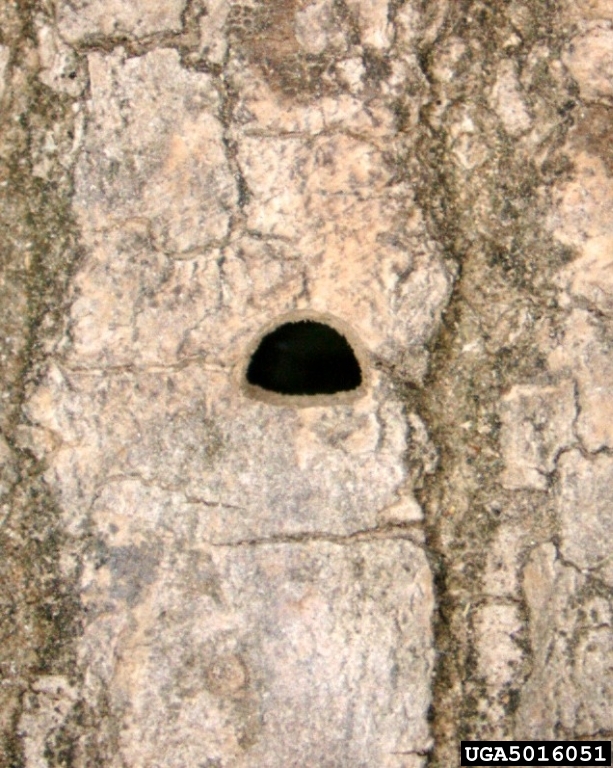
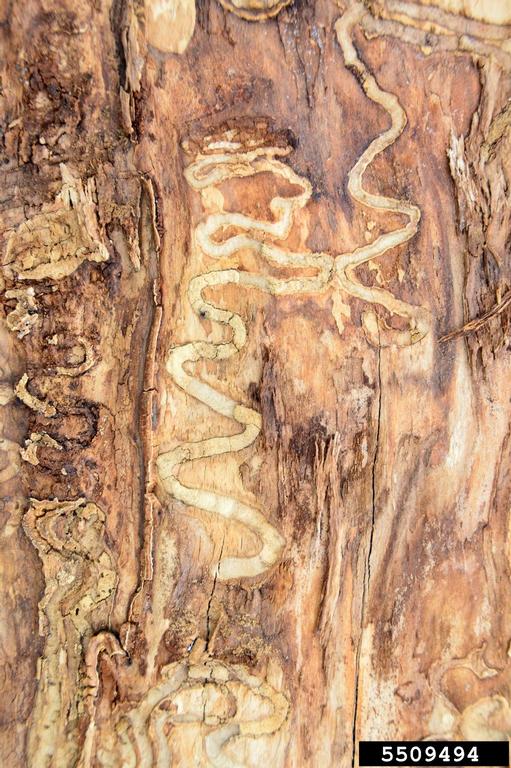
Ash trees attract a variety of wood-boring insects. EAB is the only deadly insect to ash trees. Other wood-boring insects are attracted to ash trees because the tree is already stressed out. Learn more here. Reach out to your county Extension office for help identifying wood borers in your ash tree.
Treatment Options
To learn more about treatment options, click here. Four insecticide treatments are available. The frequency of the application will depend on the product but will range from one to three years. The options available are all systemic insecticides, meaning the roots will take up the product. It will take time for the product to thoroughly move through the tree, and it is important to keep the tree well-watered during this time. Research has shown that emamectin benzoate can consistently provide three years of control even though the product is labeled to provide two years of control. This is important to consider with tight budgets. HOAs can also treat trees on a three-year rotation rather than two years (e.g. rotate treating 1/3 of the trees each year).
Imidacloprid, a do-it-yourself option, is difficult to find in retail stores due to legislation that passed in 2023 that classifies neonicotinoid pesticides as “limited-use,” meaning the products can be only sold through licensed pesticide dealers. More information is available on the Colorado Department of Agriculture website.
Hiring a tree care professional will ensure the insecticide is applied safely and effectively. When considering hiring a tree care professional, make sure to:
- Ask for credentials. Arborists should be certified through the International Society of Arboriculture, have a current State of Colorado Pesticide Applicator License and should be insured. You can find a list of arborists or check their credentials on the ISA website.
- Ask for a specific contract of work and customer references.
- Do you research and get quotes from multiple companies.
- Some municipalities have a list of arborists on their website. For example, here are the City of Littleton and Aurora arborist lists.
Removing Trees
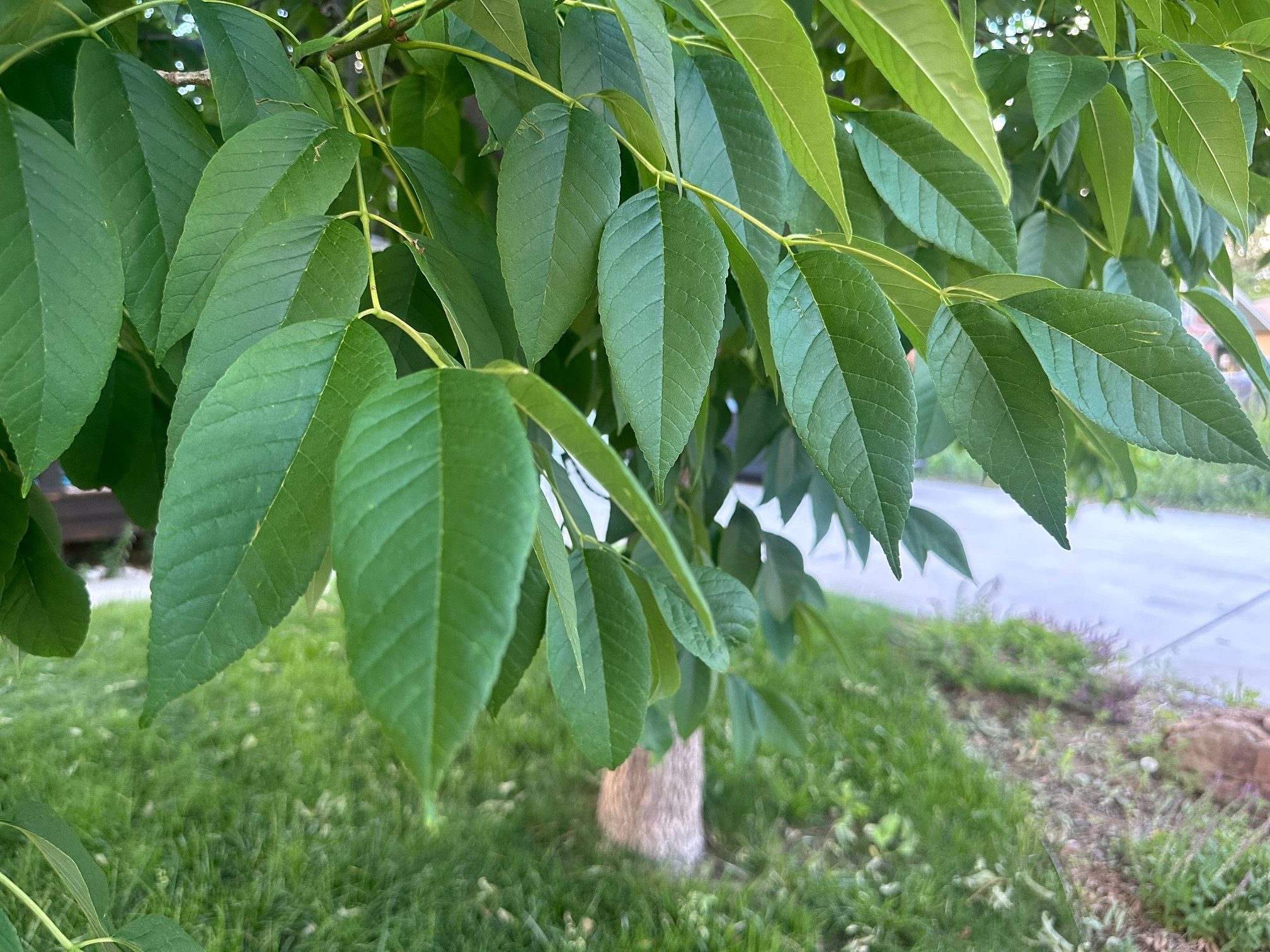
Unhealthy, small ash trees are not candidates for insecticide treatments because the insecticides need to be taken up systemically through the root system. An unhealthy tree will not be able to take up the insecticides effectively and will still be at risk for EAB. If you have an ash tree that is declining in health, removal will be the safest, most effective option. An EAB-infested tree will cost more to remove because EAB reduces the structural integrity of the wood making it more hazardous to remove. Consider replacing your ash tree with species that grow well in Colorado. If you are planting multiple trees, diversity is key. Colorado can be a tough place for a tree to get established, but here is a great list of options. Look for trees with an A-list rating.
Water Your Trees
In the meantime, keep your ash tree as healthy as possible. Most of Colorado has received little moisture and trees are thirsty! Plan to water your trees approximately once per month on a warm winter day or anytime when we have periods of little to no precipitation. Trees will benefit from receiving up to 10 gallons of water per inch in diameter. Even receiving half that amount of water will help the tree. Soaker hoses and frog-eye sprinkler heads are two great ways to apply water slowly. Read more about watering trees here.
Resources For treatment options and more information, click here and here. For questions on EAB, or how to make decisions about your trees and possible diagnosis, contact CSU Extension-Arapahoe County at MasterGardener@arapahoegov.com or 303-730-1920.

