

Building Connected Corridors
By Pam Rosendal, Colorado Master Gardener

Picture your neighborhood from the perspective of butterflies, bees, birds and countless other creatures that keep our ecosystems healthy. They likely see an abundance of asphalt, concrete and bluegrass lawn with small, scattered patches of food sources like berries and nectar. This lack of abundant wildlife resources is the impetus behind creating connected corridors, an increasingly important strategy in urban and suburban conservation that transforms fragmented habitats into thriving networks of biodiversity.
Habitat fragmentation is one of the more significant threats facing wildlife today. As development expands, natural areas become isolated islands, making it difficult for pollinators and other animals to find food and shelter. Research consistently shows that connected habitats support greater species diversity and healthier populations than isolated habitats, even when the total area is the same size.
For pollinators specifically, the stakes are high. Native bees, butterflies and other insects need continuous access to blooming plants throughout the growing season. Many native bees have surprisingly limited foraging ranges. Some species travel only a few hundred feet from their nests while larger pollinators like Monarch and Painted Lady butterflies need frequent refueling stops during migration. When yards and green spaces connect to form corridors, these essential creatures can travel safely between resources strengthening both their populations and the plants that depend on them for reproduction.

The magic of connected corridors happens when neighbors work together. A single pollinator garden is valuable but a street of connected gardens is transformational. Here are some ideas to create interest and support in your community.
Start conversations with adjacent neighbors about shared conservation goals. Even removing a few feet of lawn along property lines and replacing it with native wildflowers can create meaningful connections. Share seeds, plant divisions and knowledge to reduce costs and build enthusiasm.
For those in HOA communities, approach the board with research (CSU Extension is helpful here) and specific proposals. Many HOAs are increasingly receptive to ecological landscaping, especially when presented with benefits like reduced maintenance costs and improved water management. Offer to create a demonstration garden or pilot program in a common area. Bring data on how native plantings can reduce water usage and eliminate the need for fertilizers and pesticides.
The foundation of any effective wildlife corridor is native vegetation. Native plants have co-evolved with local wildlife over thousands of years, creating relationships that non-native ornamentals simply cannot replicate. A single native oak, a keystone native plant, can support over 500 species of caterpillars, which in turn feed birds during the critical nesting season. Meanwhile, popular non-native species often support fewer than a dozen.
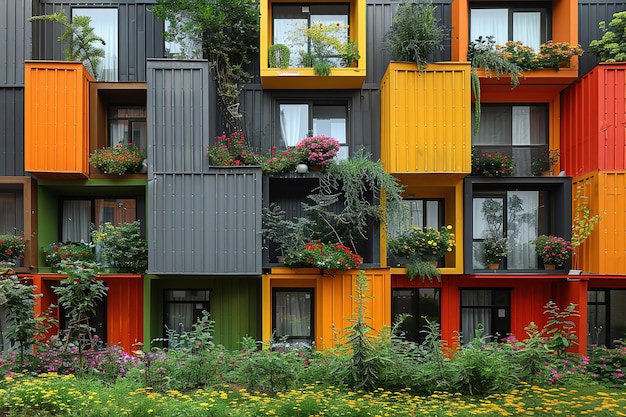
When choosing plants for your corridor contribution, assess your property’s conditions: sun exposure, soil type and moisture levels. Remove invasive plants that outcompete natives and provide little wildlife value. Next, select appropriate native species focusing on variety and bloom succession. Choose species that flower at different times to provide continuous nectar and pollen from early spring through fall. Layer your plantings with groundcovers, perennials, shrubs and trees to create structural diversity that accommodates different species’ needs. Don’t feel that you need to replace all your current landscaping; even small spaces can contribute: window boxes, boulevard strips and foundation plantings all count.
To keep the community momentum going, document your observations. Photograph the wildlife that visits. Consider organizing a neighborhood pollinator count. Most importantly, share these successes with neighbors and on social media to inspire others. This can help skeptical neighbors witness firsthand the wildlife their collective efforts attract.
Remember that establishing native plant communities takes time but the ecological rewards compound as more people participate. By thinking beyond property lines and working collaboratively, we can weave a tapestry of habitat that supports wildlife while creating more beautiful, resilient communities.
Resources for Your Corridor Journey:
- CSU Extension Native Plant resources provides a wealth of information on incorporating native plants in your landscape including a link to the CSU Colorado Plants Database, sponsored by the Colorado Native Plant Master program.
- Homegrown National Park: Dr. Doug Tallamy’s initiative to restore biodiversity through native plantings.
- National Wildlife Federation’s Native Plant Finder: Enter your zip code to discover which native plants support the most wildlife species in your area.
- Front Range Wild Ones: Numerous resources including a newsletter, presentations and seed swaps to help you create your own connected corridor with native wildflowers, grasses, shrubs and trees.
- Xerces Society: Comprehensive guides on pollinator conservation and habitat creation.

