

Winter’s Work: Rest, Renewal and Resilience in the Garden
By Pam Rosendal, Colorado Master Gardener
When the garden settles under a blanket of snow, it can feel as though everything is lifeless and still. But in reality, winter is not wasted time; it’s a season of rest and recovery. Just like people and animals, plants benefit from downtime, and the cold months are essential for their long-term survival.
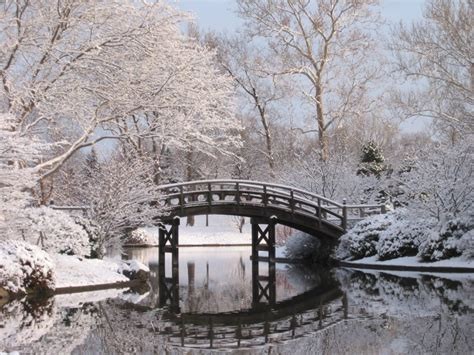
In winter, many plants enter a state called dormancy, nature’s version of sleep. Dormancy is far from passive; it’s an active survival strategy refined over millennia. When temperatures drop and daylight wanes, perennials, shrubs, and trees respond by redirecting their energy from leaves and flowers down into their root systems. This strategically allows plants to conserve resources during harsh conditions while preparing for spring’s explosive growth.
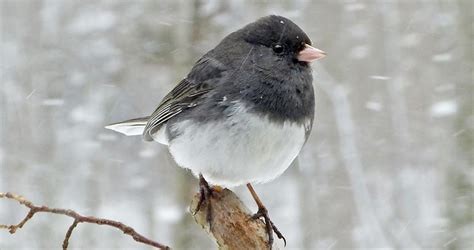
Winter does more than recharge individual plants – it also benefits the larger ecosystem. Freezing temperatures naturally suppress pests and diseases, keeping populations in check. Cycles of freezing and thawing help break down leaves and organic matter, thereby enriching the soil. Snow, often called “the poor man’s fertilizer,” insulates plant roots, adds moisture and slowly releases nitrogen into the ground as it melts. In this way, the cold season is as much about renewal as it is about rest.
Some plants require a certain amount of cold before they can germinate (a process called cold stratification) or flower. Many beloved garden plants, from peonies to fruit trees, require a specific number of “chilling hours” below 45°F to break bud properly come spring. Without this cold period, flowering may be sparse or entirely absent. It’s nature’s quality control mechanism, ensuring plants don’t waste energy blooming during unreliable warm spells that could end in frost damage.
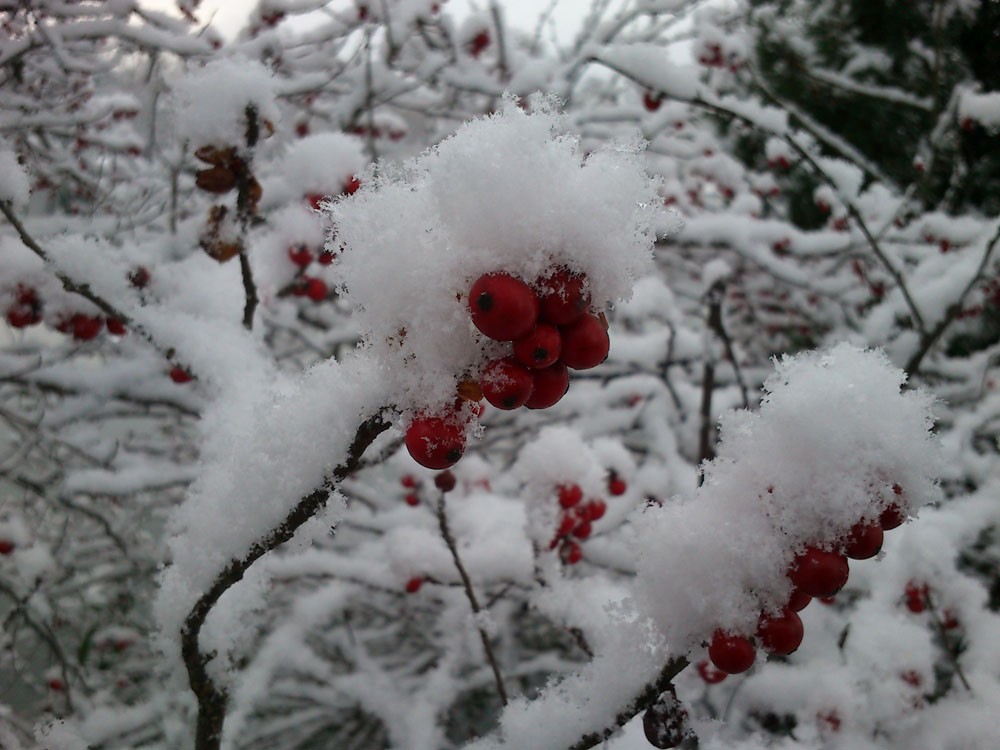
Colorado native plants are masters of winter survival. Species like penstemon, blanket flower and pasque flower have evolved alongside our dramatic temperature swings and intense sun exposure. Their dormancy strategies are finely tuned to our semi-arid climate, where winter moisture slowly percolates into the soil while plants rest. By incorporating natives into your garden, you’re working with plants that have perfected the art of thriving through Colorado’s challenging winters, emerging each spring with a vigor that comes from generations of adaptation.
For those who love their gardens, winter can feel like a long wait. But it’s worth remembering that this downtime is essential. Resist the urge to overprotect perennials from the cold; many need the chill. Instead, embrace winter as nature’s way of giving your garden a chance to recharge. While the plants are resting, we can do the same – dreaming, planning and preparing for the vibrant burst of life that spring will bring.
Resources:
- Colorado State University Extension – Fall & Winter Watering
- University of Minnesota Extension – Dormancy and Chilling Hours in Perennial Fruit Crops
- University of Illinois Extension – Seed Stratification: What Seeds Require Cold Treatment
- Colorado Native Plant Society – Colors of Winter: Colorado Native Plants

