

I Didn’t Know That!
By Judy Kunz, Colorado Master Gardener
Leftover Seeds? Store Them for Next Year.
It takes a sizable investment to purchase flower and vegetable seeds for the garden each year, and the cost is probably not coming down any time soon. However, with a little TLC, those partial packets of unused seeds as well as collected seeds can be saved for the following seasons, making a positive impact on the wallet. The length of time seeds remain viable depends on the type of seed, preservation and storage methods. The requirements are fairly simple for success in saving them. The key words are quality seed, dry conditions, and cool temperatures.
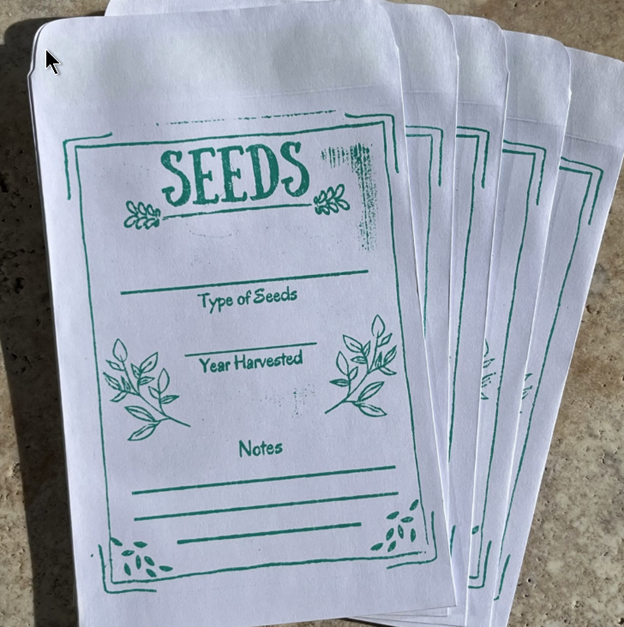
Quality seeds have been shown to have better germination rates than their inexpensive counterparts. If possible, purchase quality seeds online or from an independent garden center. They are knowledgeable about seeds and carry products that are known to perform well in our area in terms of climate and soil conditions.
Drying Seed – The drier seeds are, the longer they will last in storage. There are several popular methods to prepare them for storage.
- For drying outdoors, spread seeds on a cookie sheet and place them in a shady location on a warm day for about six hours. Avoid sunlight that can be too strong. Collect and package them at the end of the day.
- Seeds can also be oven dried in temperatures not to exceed 100°F for about four to six hours. This may be somewhat challenging because many ovens do not have a minimum temperature that low. However, ovens can be set at the lowest temperature, and seeds can be successfully dried by leaving the door slightly ajar.
- Another method for drying is to package seeds in silica gel. Available online or at most arts and crafts stores, silica is an effective desiccant. However, it is recommended that seeds are not left in silica longer than several weeks or they may dry too much. After two weeks, separate seeds from the silica and package them. Silica can be stored in an airtight container and reused the following season.
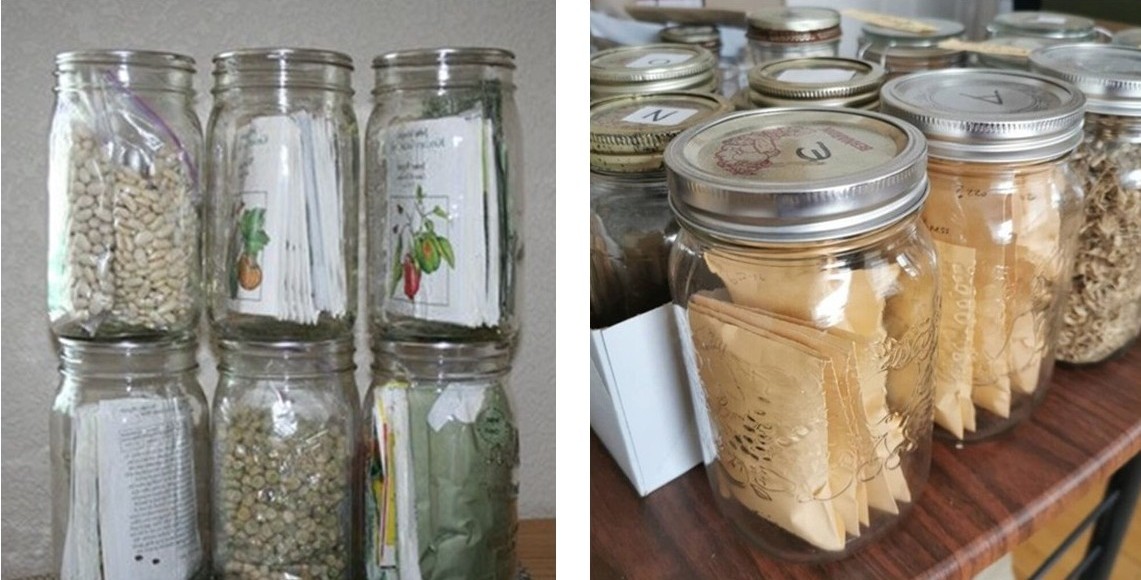
Storing Seed – The gold standard for seed storage is a glass jar with a tight fitting, screw-on lid. Canning jars are perfect for this purpose. Multiple packets of seeds can be stored in a single large jar. Plastic zipper bags can also be used but they are not as effective at keeping moisture at bay. Ideal storage temperature is 40°F or lower, with less than 8% moisture. A refrigerator, freezer or root cellar is the perfect location for storage. Avoid places like garages that may shorten the life of seeds because they tend to have fluctuating temperatures. Keep seeds in original packets, folding over the top edge and seal with tape. If using unmarked envelopes or packages, be sure to label them with type of seed and date.
For more information on saving seeds with a viability chart listing seed by type, click here.

