

Rose Rosette Disease
By Jeff Cole, Colorado Master Gardener
Another problem for your roses? Ugh. Depending upon your point of view, rose rosette disease (RRD) may be worse than the dreaded Japanese Beetles for your rose garden. This virus was recently detected on the CU Boulder campus by an alert employee. Unlike Japanese Beetles, RRD is fatal and there is no cure.
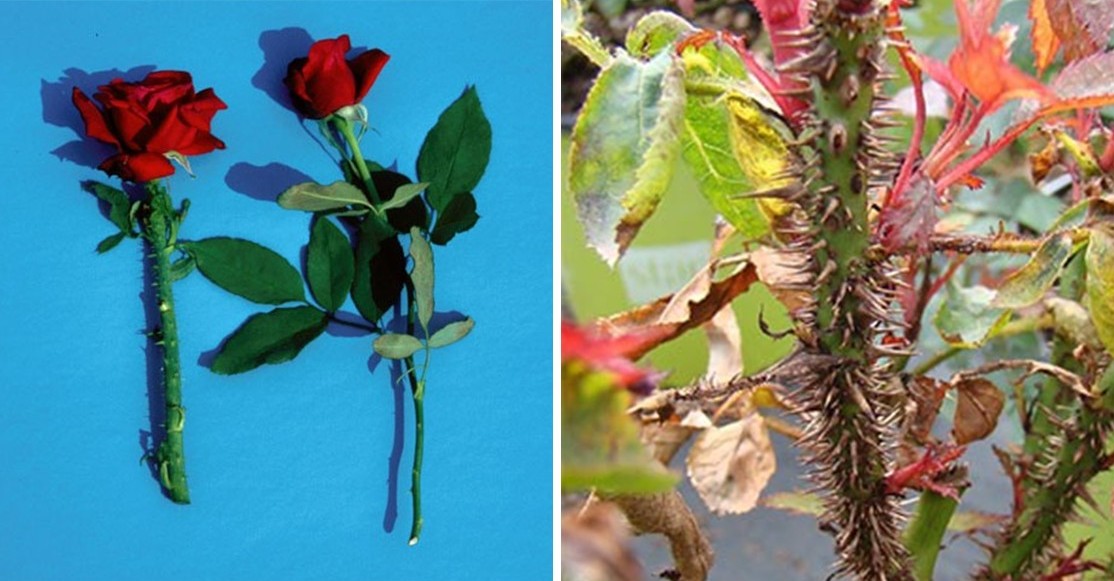
The symptoms of RRD include leaf reddening (not to be confused with new leaf growth), excessive thorn production, abnormally thickened stems, and witches’ brooms. The expression of these symptoms varies, depending upon the cultivar, age and stage of growth of the rose plant. Most symptoms appear in July and August.
Unfortunately, RRD is a viral disease that will kill the rose plant in three to five years. It is a systemic disease, which means the virus spreads throughout the entire plant. Pruning out the symptomatic sections will be ineffective. And worse, the disease can spread through infected pruners. RRD is specific to roses; it does not affect other plants.
RRD is transmitted to roses by microscopic eriophyid mites. These mites do not fly; however, they can move to other roses by the wind and leaf blowers. To date, miticides have shown limited effectiveness in controlling the disease.
If your roses have contracted RRD, you should dig up the entire plant, including the root ball. Then bag it and throw it away. DO NOT compost it because the mites are likely to survive.
Yes, this is more bad news for our gardens, but do not give up on your roses! Follow this link from Oklahoma State University for some suggestions on roses in the landscape. The article also has excellent photos of the symptoms of RRD. RRD suggestions
If you are unsure if your roses have RRD, contact the master gardener help desk at 303-730-1920 or MasterGardener@arapahoegov.com.

