

Fall Cleanup Best Practices
By Kathleen DeVries, Colorado Master Gardener
As the season winds down, gardeners begin to think about fall and the chores that will help the garden thrive through the winter and have the most benefit come next spring. Below is a timely checklist of garden tasks.
Trees, Shrubs and Grasses
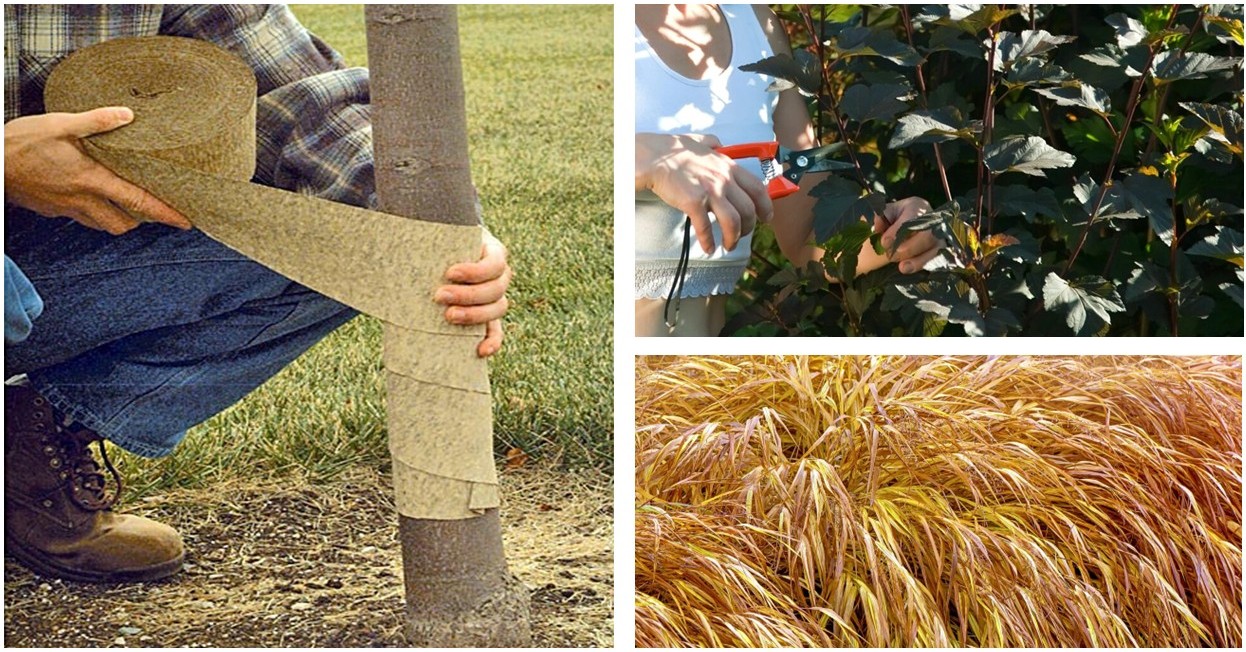
- Prune summer blooming shrubs but not those that bloom in spring.
- Leave other shrubs for winter interest and to feed the birds or to protect butterfly eggs.
- Remove all leaves showing signs of fungus, making sure there are no diseased leaves left on the ground.
- Mulch tender shrubs.
- Wrap newly planted trees or those with thin bark.
- Deep water all trees to a depth of 12″.
- Leave ornamental grasses for winter interest and cut back in the spring.
Veggie Beds
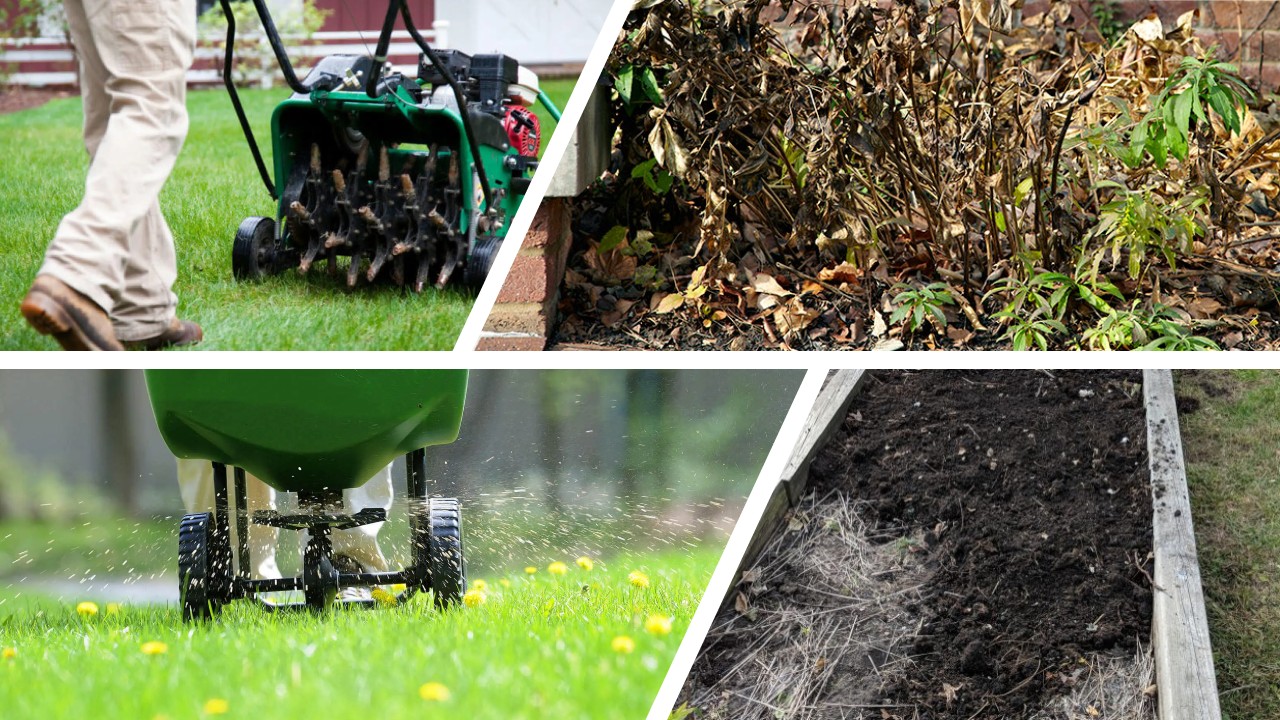
- Remove all dead plants and dropped produce from the beds after the first hard frost; this prevents the spread of disease or overwintering of insect pests.
- Turn over garden bed soil and add compost to prevent soil compaction in the spring.
- Divide spring and early summer-blooming perennials.
- To support pollinators and wildlife habitat, leave cutting back and cleaning up the garden for spring. If you do prune, leave some stems to catch winter snow and help keep the plants watered through the winter.
- If there are pests or diseases in the garden, do a thorough fall clean-up to prevent the same problems from reoccurring in the spring.
- Mulch tender perennials and those that are newly planted.
Lawn Care
- Fertilize the lawn. September for organic fertilizers; September to October for synthetic ones.
- Water deeply after fertilizing.
- Aerate to manage thatch, reduce soil compaction, enhance water infiltration and improve root growth. The holes should be no more than 2” apart and at least 2-3” deep. Leave plugs to break down on lawn unless you have no thatch.
- Overseed after aerating.
- Blow out sprinklers.
- The best defense against weeds is healthy turf. Fertilize between September and October and water deeply in the fall to keep the turf in good condition.
- Use herbicide with care.
Fall Leaves
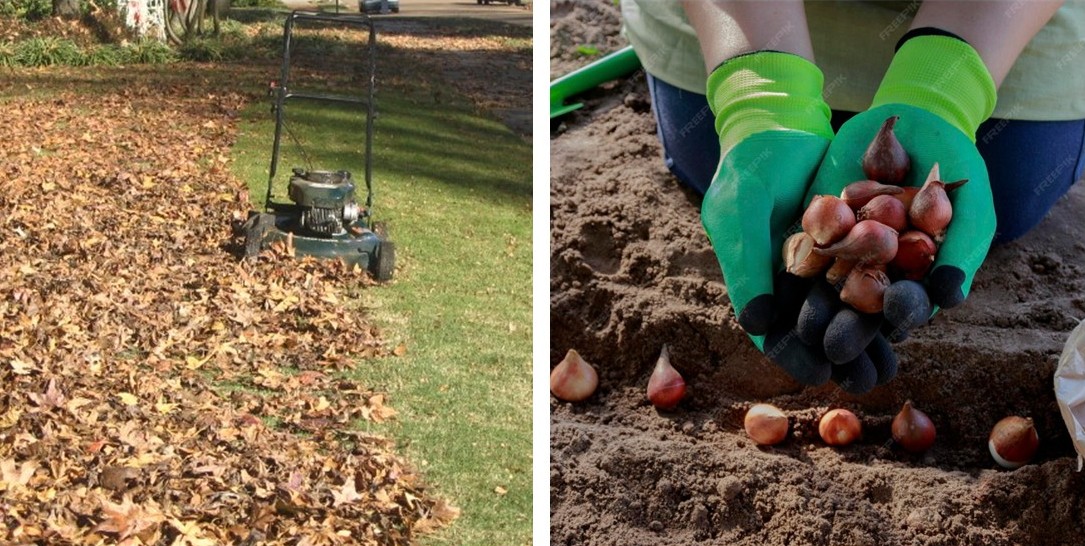
- Mow the leaves into the lawn to increase nutrients.
- Add dead leaves to the compost bin as part of the “brown material.”
- Shred leaves with the lawnmower and add them to garden beds as mulch.
- Mulch landscape plants with leaves.
Fall Planting
- Plant perennials in early fall to give them time to develop a root system.
- Plant spring blooming bulbs.
- Dig non-hardy annual bulbs and store them in a cool, dark place.
Mulch tender plants prior to winter weather and remember to give the garden a long drink before shutting off the sprinkler system.

