


Come visit the garden!
- Cheyenne-Arapaho Park is located at 9200 E Iowa Ave, Denver, CO 80247.
- CO Master Gardener hours Tuesdays 8:00 a.m. – 10:00 p.m. All other days will be 1 hour shifts to water. Please attend a brief training at the beginning hour of Tuesday or Friday on your first watering shift. This is a hand water only garden.
- Contact us: By Email or phone at 303-730-1920.
The garden is not open to the public; however, the public is welcome to come during these hours to ask questions and chat. This is a demonstration garden that will focus on education, conduct informative growing demonstrations, and focused topic learning presentations open to gardeners and the public. QR codes will be available to inform and follow progress online on this webpage.
This is a collaborative project between Arapahoe County Open Space, Denver Urban Gardens, and CO Master Gardener program. If you are interested in renting a plot, please contact DUG.
2025 Summary
The 2025 season continued with the Arapahoe County Master Gardeners maintaining 3 large plots and 1 raised bed in this DUG managed garden. The 3 large beds were used to each showcase different gardening plan ideas, and the raised bed was used multiple ways throughout the season.
One plot was our experimental regenerative plot from last year, where in half the plot we used regenerative practices, and left the other half untouched. This experiment was so successful, this year we made the whole plot regenerative. We also grew vegetables from around the world, focusing on plants members of the community who frequent the park the garden is located are from. We called it our “Neighborhood Plot.” We had success from several of the vegetables grown, including Iraqi Eggplant, Yard Long Beans, and Rat Tail Radishes, all of which we are incorporating into our 2026 garden plan.
One plot was designed to show how to grow a basic kitchen garden, incorporating several styles in one plot. We had container gardening, row planting, block planting, and a trellis. We left the soil untouched and did not use shade or hail cloth on this plot, keeping this plot as close to untouched as we could. This kept our plot similar to the plots other gardeners have, so they could see how to handle different gardening issues throughout the season. We also went for aesthetics and added some edible flowers to this plot for some extra color.
In our final plot, we showcased companion planting. The main attraction was a Three Sisters garden that took up 1/3 of the plot. The corn we grew got tall and produced well for us. We also had cucumbers, onions, tomatoes, carrots, basil, and others, all growing next to companion plants across the plot. This plot felt like the least successful, but we learned a lot. We are planning to use some of what we learned in this plot in our garden planning for the 2026 season.


This season, our raised bed started as a garlic bed that we hand watered and fertilized throughout winter. We were able to harvest the garlic in June, leaving the bed free for a new experiment in gardening. After talking to the DUG garden leader and a fellow garden, the raised bed was turned into a “Grow with the Master Gardeners” plot where one of our Garden Leaders helped a fellow gardener work out some of her garden growing questions with a mutually run raised bed. It is unclear if we will continue the program going forward as it will depend on the availability of the raised bed.
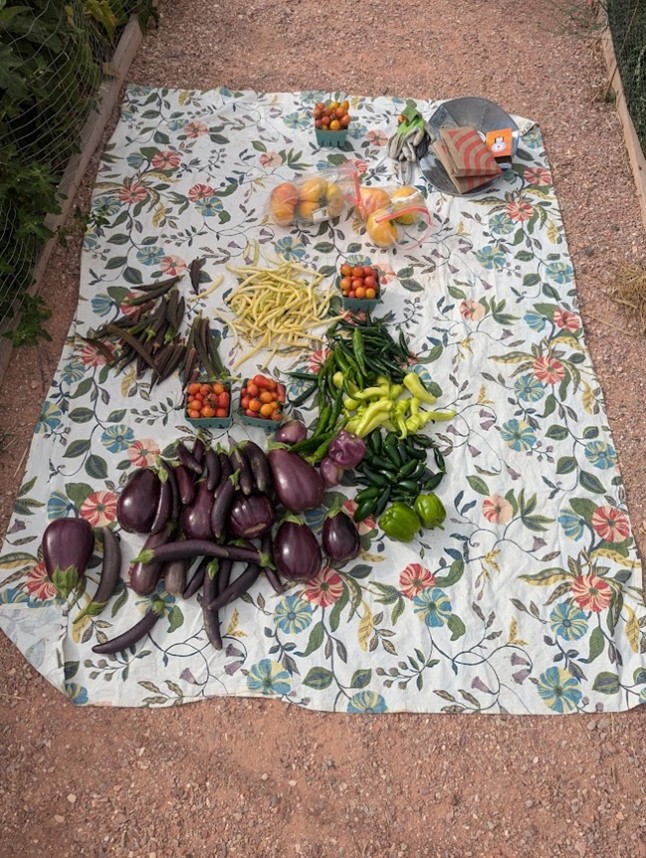
Once again, as the season continued, gardeners finished with their plots and left them empty before the gardening season ended. We received permission from these gardeners to grow in their plots for the end of the season, allowing us to grow cold weather crops that would eventually be donated to the community via food banks. Our garden ended up donating 1158 lbs in the 2025 season.
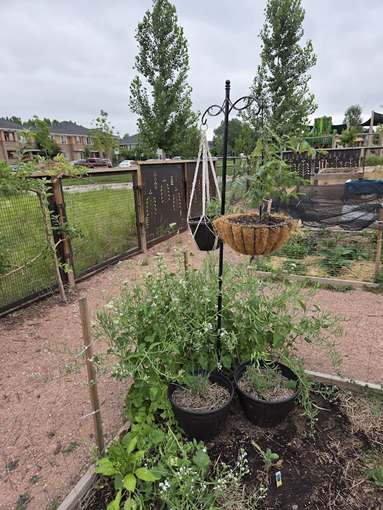
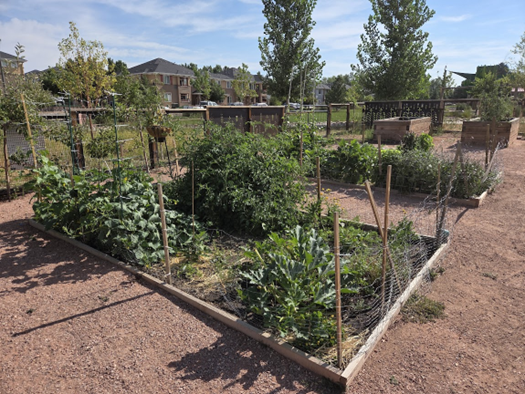
Due to the success of our classes from the season before, we held both adult and kids classes at the garden throughout the summer. We had classes on planting, insects, diseases, and more. We also had evenings we would supervise local kids in the garden, having them help with weeding and collecting pests with us from our plots once per week. This is another program we will be carrying forward in the 2026 season. We look forward to finding new ways to interact with our community through gardening this year while maintain the relationships we have already built. We look forward to the 2026 season.
2024 Summary
In 2024, the season began with Arapahoe County Colorado Master Gardeners maintaining 3 large plots and 1 raised bed in this DUG managed garden. We decided to use the 3 plots to show 3 different gardening processes.
One plot was used to show the differences between regenerative gardening and non-regenerative gardening. Seeds were planted in rows across the whole plot, with a walkway separating the regenerative and non-regenerative sides so we could do side-by-side comparisons. Early in the season, we learned that the regenerative side did grow and produce more quickly than the non-regenerative side. As the season continued, we noticed the two sides began to even out in production. In the 2025 season we will expand the plot to be entirely regenerative for consistency in the plot’s production.
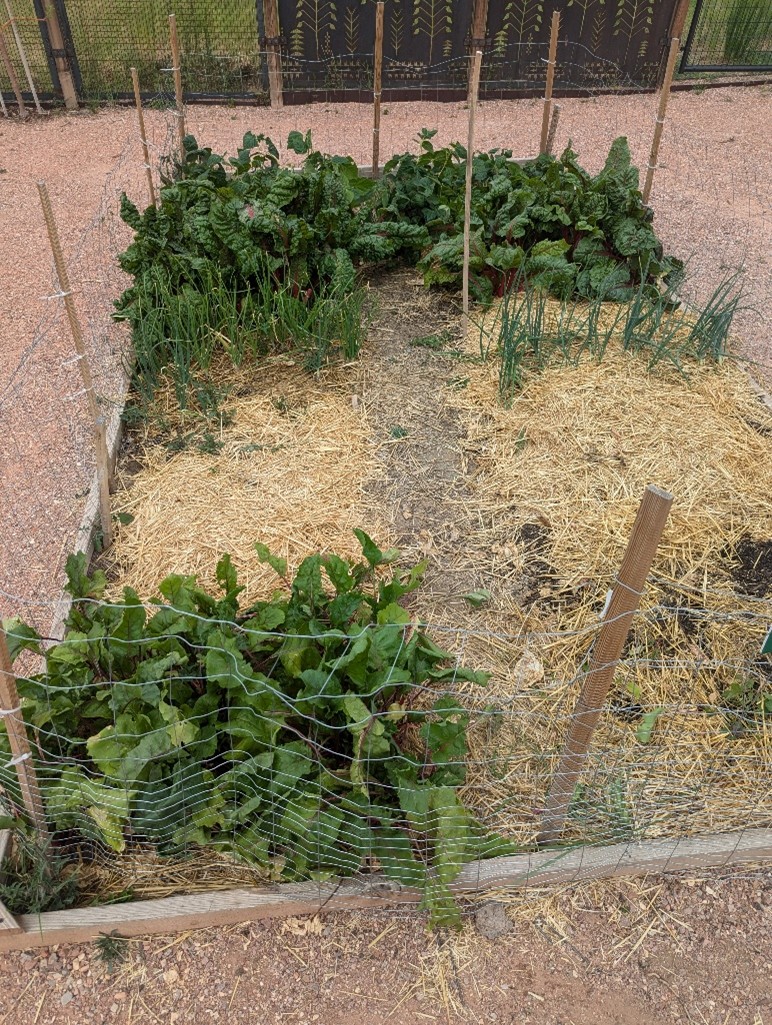
One plot was planned as a vegetable garden designed to display styles of planting (row, trellis, and block) in one plot. We were able to grow tomatoes, peppers, squash, cucumbers, pumpkins, leeks, and more. This garden was a great way to show the gardeners how much they could produce in a small space, using a variety of methods. We also renewed crops as they were harvested to show how to extend the season and how to maximize production.
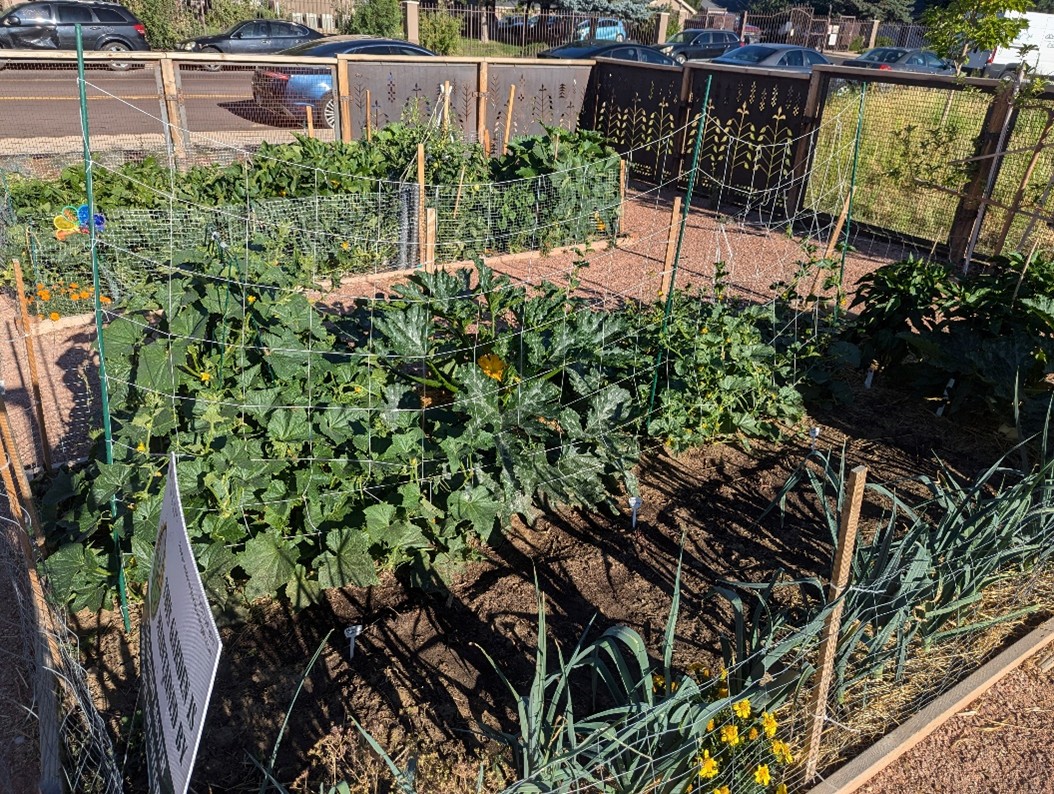
The final plot was the most unique. We decided to show common gardening myths next to a control plant. For example, a tomato plant planted sideways versus a plant planted straight up and down. We wanted to show if the myths worked or not. We did learn that planting tomatoes sideways makes the stems stronger, and that trimming your tomatoes increases production. We learned that nasturtiums grow at the same rate whether you soak the seed for 24 hours before planting or not. We also learned that yelling at your basil does not change its overall growth. Some other myths we tested were watering cucumbers in the afternoon vs evening, carrots planted during a waxing vs. waning moon, eggplants and peppers planted with and without compost tea, and North to South planted rows of beans vs. East to West planted beans. This plot was our most fun and most productive, and we will be implementing some of what we learned in the 2025 season.
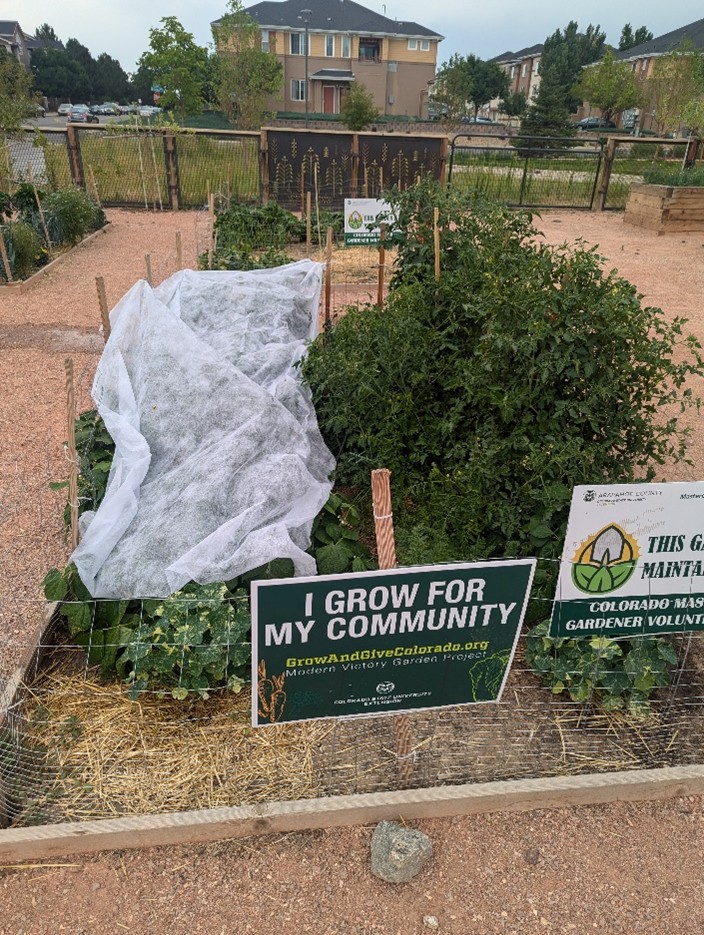
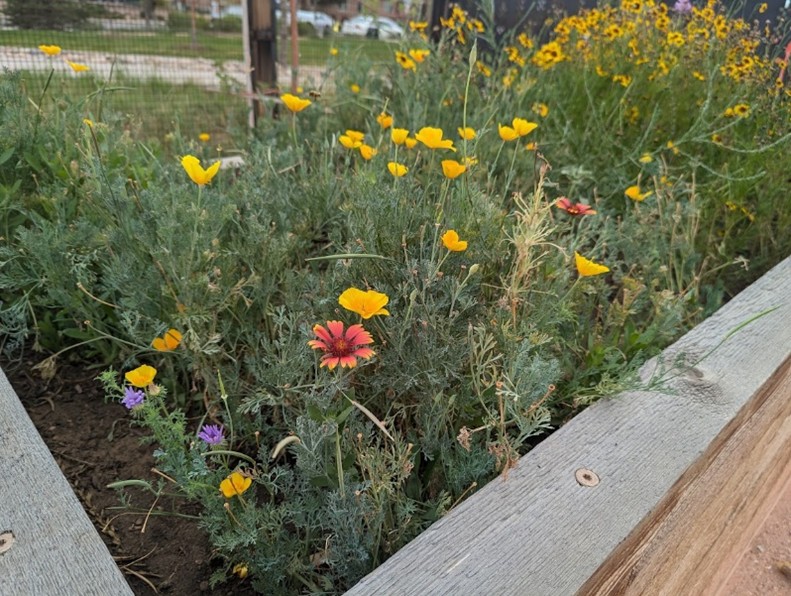
The raised bed managed by the Master Gardeners was of native wildflowers. Our purpose with this plot was to attract pollinators to an otherwise rather barren area of the park. In the coming season, we plan to incorporate more flowers in the plots themselves to bring pollinators in and to showcase how the plants can work together in a small home garden.
As the season went on there were several changes in the DUG garden, which lead to our Master Gardeners managing a donation plot with some community gardeners, and a half plot to demonstrate Fall gardening. We were able to grow and harvest several cold weather crops near the end of the season for donation from these plots.
With the addition of temporary demonstration gardens, our outreach with the gardeners and community lead us to hold more classes than initially planned to meet the requests of those sharing our garden. We added topics such as Fall Gardening and classes just for the children who played at the nearby playground. The children had an interest in the garden as a whole, so the donation plots were designed by DUG and Master Gardeners to give the children a place they could be and help with the garden in a more interactive way. The 2025 class line up reflects these same ideas of community engagement, covering requested topics at times that better suit the community, as well as the implementation of a Kids Gardening Class series. Overall we donated just under 900 lbs. of produce from the plots in 2024. We managed to cultivate relationships with, and provided information to, the other gardeners and the community. We look forward to the 2025 season.
Follow us on Facebook and Instagram.

